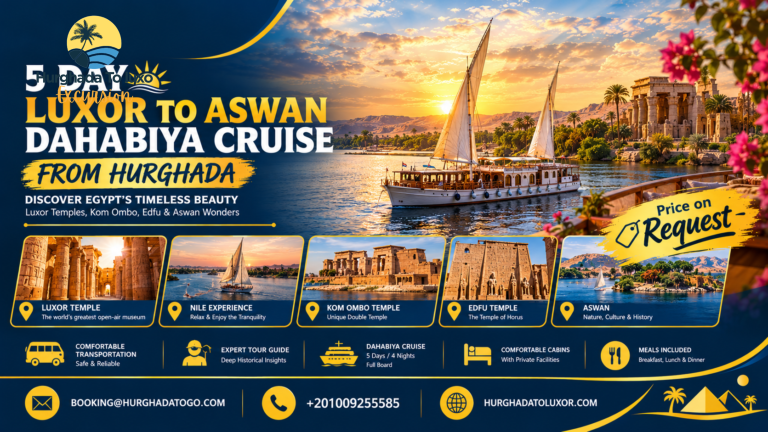
5 Day Luxor to Aswan Dahabiya Cruise from Hurghada
Experience a luxurious 5 Day Luxor to Aswan Dahabiya Cruise from Hurghada, exploring ancient temples, the Nile’s beauty, and Egypt’s timeless treasures in comfort and style.
⛵ 5 Days · Dahabiya · Traditional Sailing Vessel · Luxor → Aswan
📅 Updated: June 2026 | ⏱️ 20 min read | 💶 Price on Request | ⭐ 5.0/5 rated | ⛵ Luxor · Esna · Edfu · Kom Ombo · Aswan
The 5 day Luxor to Aswan Dahabiya cruise from Hurghada offers the most intimate and unhurried way to travel the Nile. A Dahabiya — the traditional flat-bottomed sailing vessel that 19th-century European travellers used to explore Upper Egypt — moves at the pace of the wind and current rather than a motor schedule, carries a small number of guests in private cabins, and stops wherever the sailing programme allows rather than adhering to the compressed timetable of a large cruise ship. Five days on the river between Luxor and Aswan, with an Egyptologist guide on board throughout, connecting every temple and landscape to its historical context.
This programme departs Hurghada by private vehicle, embarks at Luxor or Esna depending on the confirmed sailing schedule, and sails south through the Nile Valley via Edfu, Kom Ombo, and on to Aswan before returning to Hurghada by road. This guide covers the complete 5-day itinerary, what a Dahabiya experience involves compared to a motor cruise ship, full pricing information, and every practical detail before booking.
⛵ What is a Dahabiya?
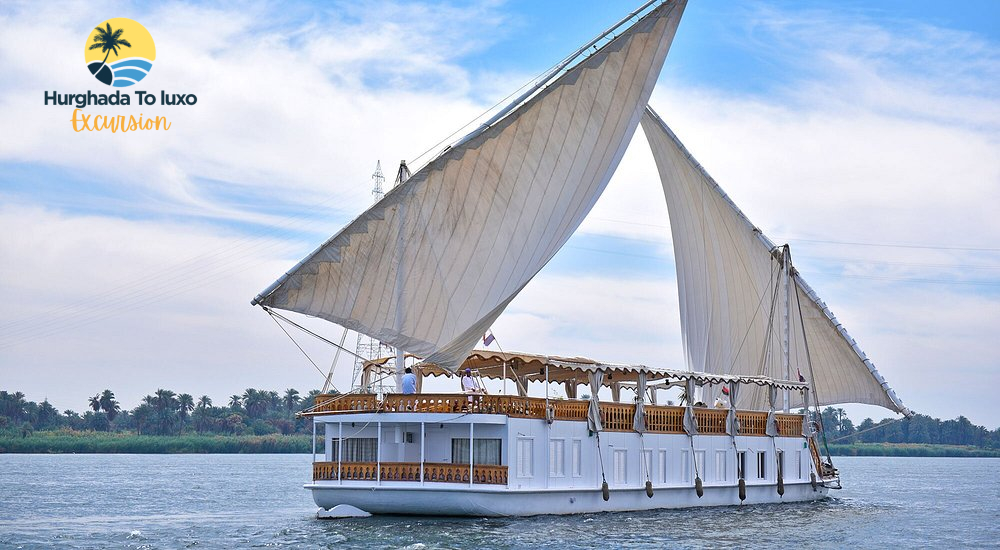
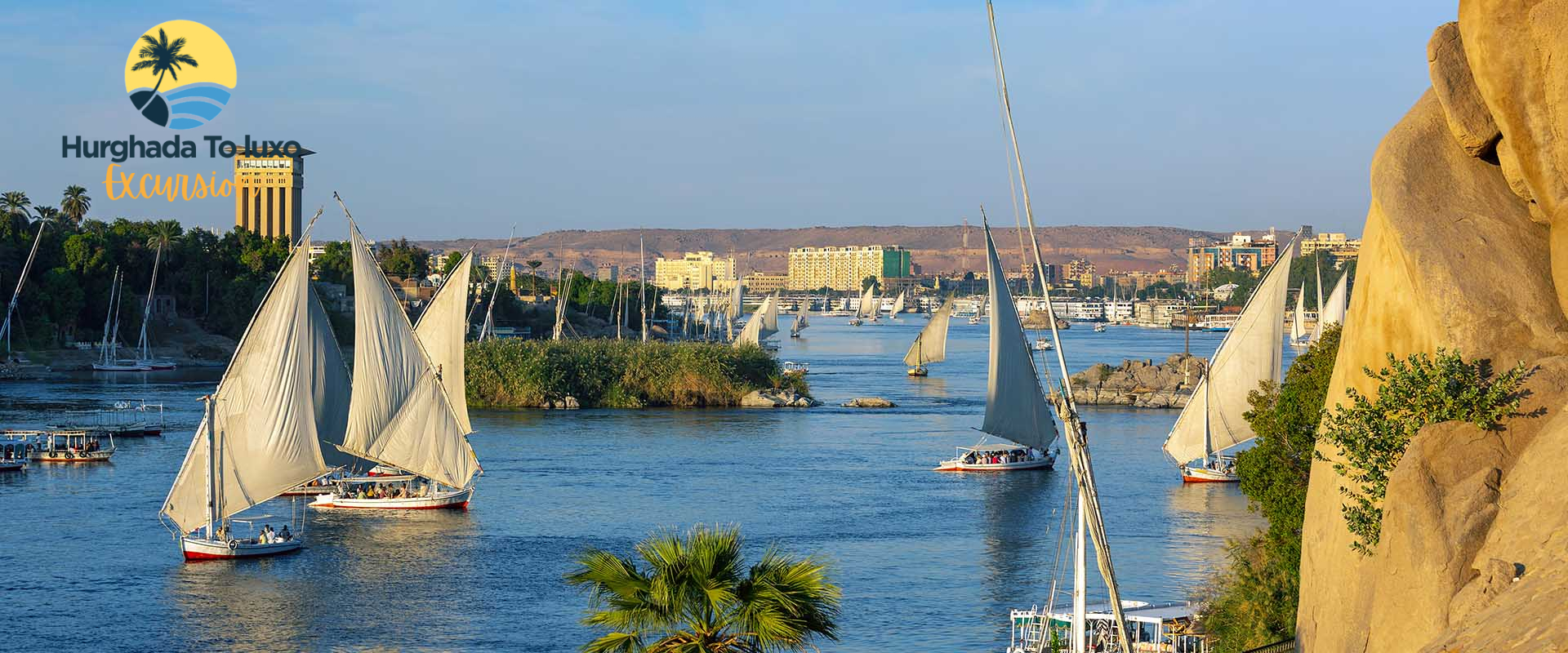
A Dahabiya (دهبية, meaning “golden one” in Arabic) is a traditional Egyptian sailing vessel with a shallow draught, a broad wooden deck, and the iconic lateen sails that have been a feature of the Nile for centuries. Where a modern motor cruise ship carries 40–100 passengers and runs on a fixed mechanical schedule, a Dahabiya typically accommodates 8–24 guests in individually appointed private cabins, relies on wind and poles rather than a motor for most of the journey, and creates a genuinely different relationship with the river.
The pace is slower. The sound of the Nile at night from your cabin is the splash of water against a wooden hull rather than an engine. The deck is yours to use freely throughout the day as the banks drift past. Dahabiya travel was documented by Gustave Flaubert, Agatha Christie, and Florence Nightingale — travellers who chose this form of Nile passage specifically because it matched the character of the river rather than rushing through it.
This is a private, 5-day, 4-night Dahabiya sailing tour from Hurghada covering the most historically concentrated stretch of the Nile — the river corridor between Luxor and Aswan — at the pace the vessel and the wind allow. The tour begins with road transport from Hurghada to the embarkation point at Luxor or Esna (confirmed according to the vessel’s confirmed sailing schedule), sails south via Edfu and Kom Ombo to Aswan, and concludes with road transport back to Hurghada.
Detail
Information
Vessel Type
Traditional Dahabiya sailing vessel (private or semi-private charter)
Duration
5 days / 4 nights on board
Route
Hurghada → Luxor / Esna embarkation → Edfu → Kom Ombo → Aswan → Hurghada
Embarkation Point
Luxor or Esna — confirmed according to the vessel’s sailing schedule at booking
Sites Visited
Luxor temples (Day 1), Esna Temple Lock, Temple of Horus at Edfu, Temple of Kom Ombo, Aswan High Dam, Philae Temple
Meals on board
Full board — all meals served on the Dahabiya from embarkation dinner to disembarkation breakfast
Guide
Licensed Egyptologist, dedicated to your group for all 5 days
Departure Points
Hurghada, El Gouna, Sahl Hasheesh, Makadi Bay, Soma Bay
Price
Price on Request — contact us with group size and preferred dates
Dahabiya vs Motor Cruise Ship
Understanding what distinguishes a Dahabiya experience from a conventional Nile motor cruise is essential to deciding whether this is the right programme for you.
Feature
Motor Cruise Ship
Dahabiya (This Tour)
Vessel size
40–100+ passengers
8–24 guests — genuinely intimate
Propulsion
Diesel engine — constant mechanical noise
Wind and current — near silence on the river
Schedule
Fixed engine-driven timetable
Wind-responsive — stops where conditions allow, moors in quieter bank positions
Deck experience
Shared sun deck alongside many other passengers
Broad open deck largely at your group’s exclusive use
Mooring positions
Fixed commercial docking bays alongside other ships
Can moor directly on the riverbank at quieter points — the natural Nile bank, not a harbour
Cabin character
Hotel-standard modern cabin
Individually appointed traditional cabin with wooden detailing and private windows onto the river
Esna stop
Motor ships typically pass through the Esna lock without stopping to visit the temple
The Esna lock wait allows a visit to the Temple of Khnum — a stop unavailable on faster motor schedules
Overall character
Efficient, comfortable, hotel-like
Slow, intimate, atmospheric — the original way of travelling the Nile
⛵ Who is the Dahabiya for? Travellers who have already done a conventional Nile cruise and want something fundamentally different. Couples and small groups who value intimacy over facilities. Anyone who wants to actually be on the Nile rather than inside an air-conditioned hotel that happens to be floating on it. History-minded travellers who want the same travel experience documented by 19th-century explorers — at its correct unhurried pace. This is not the tour for travellers who want a large pool deck, nightly entertainment, or a packed shore-excursion schedule.
Tour Highlights
Sailing Under Lateen Canvas
The Dahabiya’s tall, triangular lateen sails catch the prevailing northerly wind that has driven Nile vessels south since antiquity. Watching the sails fill and the boat begin to move in silence is one of the defining sensory experiences of this tour.
Luxor Temples on Day 1
The Valley of the Kings, Temple of Hatshepsut, Colossi of Memnon, and Karnak Temple — covered on Day 1 before embarkation, giving the Dahabiya itinerary a strong historical foundation before the sailing begins.
The Esna Lock and Temple of Khnum
All Nile vessels must pass through the Esna Lock — a wait of 30–90 minutes during which the Dahabiya is moored directly beside the embankment. This allows a visit to the Temple of Khnum at Esna, a remarkably intact Ptolemaic and Roman-era temple that motor cruises typically skip.
Temple of Horus at Edfu
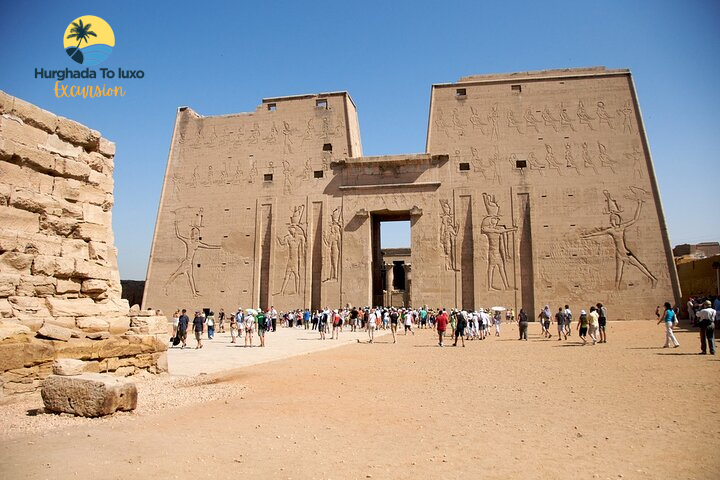
The best-preserved ancient Egyptian temple in existence — completely intact from entrance pylon to inner sanctuary, with original doors still functional on their hinges. Two hours on site with your guide covering the complete architectural and religious programme.
Temple of Kom Ombo
Egypt’s only double temple — two parallel sanctuaries for Sobek the crocodile god and Haroeris a form of Horus — positioned on the Nile bank with the river immediately below its walls. The Crocodile Museum and the carved surgical instruments on the inner corridor walls are both extraordinary.
The Nile at Night — Moored on the Bank
A Dahabiya typically moors directly on the natural Nile bank at night rather than in a commercial harbour — away from other vessels, in near-silence, with the stars of the Egyptian desert overhead and the sound of the current against the hull.
Philae Temple, Aswan
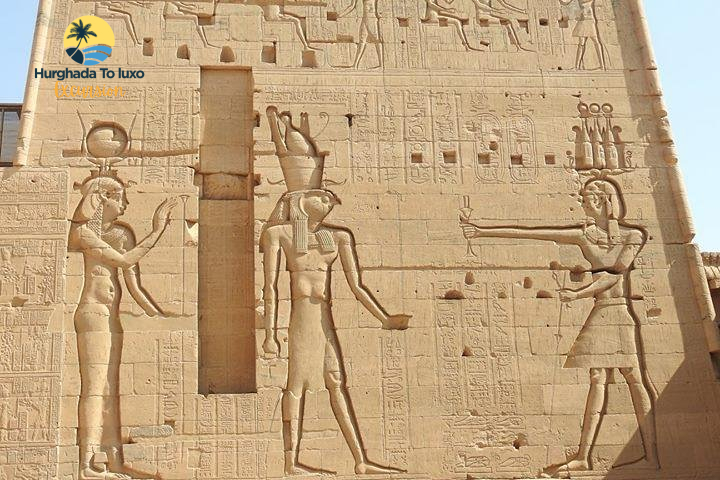
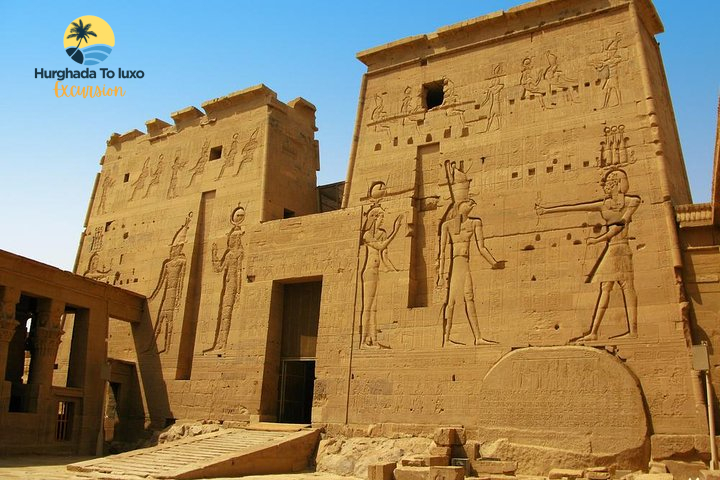
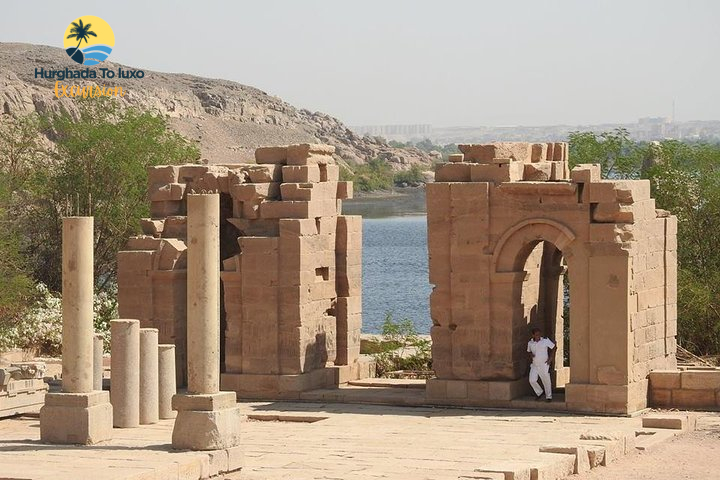
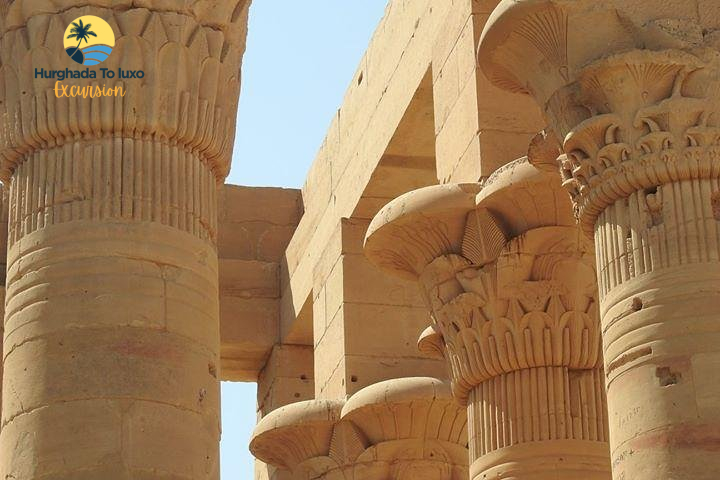
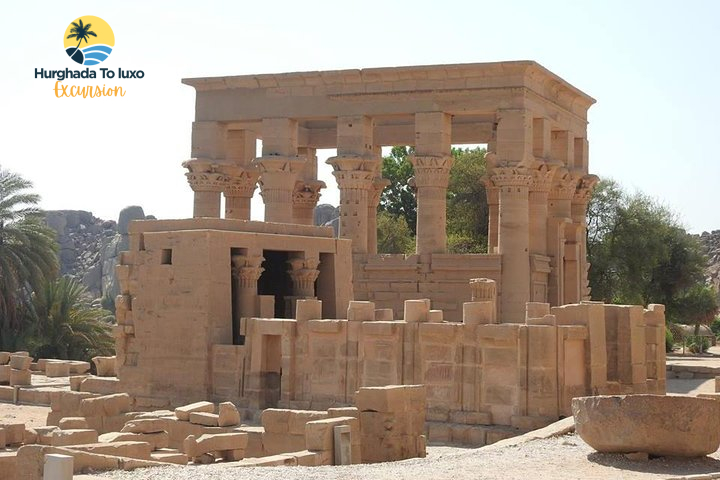
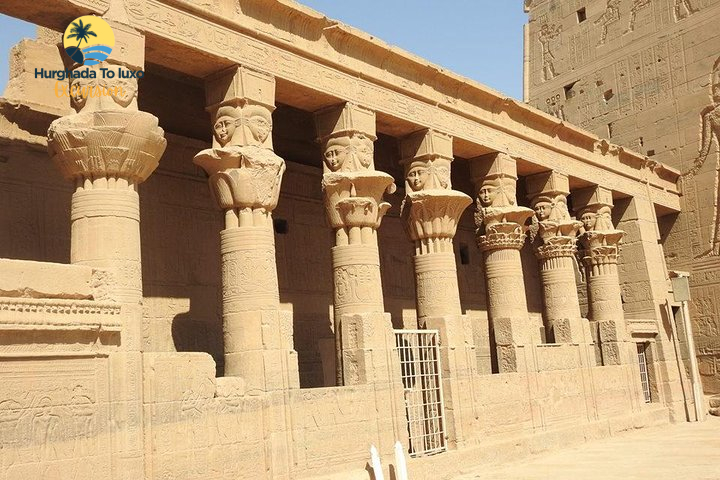
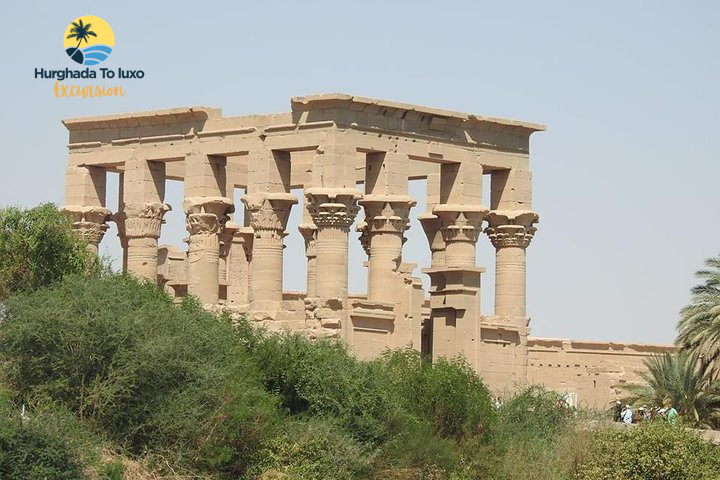
The last ancient Egyptian religious site — relocated to Agilkia Island by UNESCO and reached by motorboat across the Aswan reservoir. The Temple of Isis at Philae was active until 550 CE, its final hieroglyphic inscription the last known use of the script anywhere.
Sunsets from the Dahabiya Deck
The broad open deck of the Dahabiya is the best seat on the Nile for watching the sun drop over the desert escarpment. Five evenings of this — with sugar cane fields, feluccas, and granite outcroppings at Aswan — is the quietly defining pleasure of the whole journey.
5 Day Itinerary
The itinerary below details all five days from hotel pickup in Hurghada on Day 1 to hotel drop-off in Hurghada on Day 5 evening. The sailing schedule — including embarkation at Luxor or Esna and exact mooring positions each night — is confirmed according to the vessel’s programme at the time of booking. Unlike a motor ship, a Dahabiya schedule has some natural flexibility built in; your guide manages any adjustments.
⚠️ Schedule note: Embarkation is at Luxor or Esna depending on the confirmed Dahabiya sailing schedule. Both options are approximately the same distance from Hurghada. Your exact embarkation point is confirmed when you book.
Day 1 — Hurghada to Luxor · Sightseeing · Dahabiya Embarkation
06:00 – 07:00 AM — Pickup at Your Hurghada Hotel
Private vehicle · Egyptologist guide on board from departure
Your private, air-conditioned vehicle arrives at your hotel lobby in Hurghada, El Gouna, Sahl Hasheesh, Makadi Bay, or Soma Bay. Your dedicated Egyptologist guide is with you from the first moment of Day 1. Bottled water and USB charging throughout. Exact pickup time confirmed 24 hours in advance.
07:00 – 10:00 AM — Hurghada to Luxor Drive
~260 km across the Red Sea Mountains
The 3-hour drive crosses the Red Sea Mountains into the Nile Valley. Your guide uses this time for the 5-day programme introduction — the historical context of the sites, what distinguishes the Dahabiya experience from conventional cruising, and the navigational principles of the Nile that made sailing south by wind possible for thousands of years.
10:00 – 10:30 AM — Nile Crossing to the West Bank
Private motorboat to the Theban necropolis
A private motorboat crossing to the Luxor West Bank. Your guide explains the ancient division of the living city (East Bank) from the necropolis (West Bank) as the Theban Hills come into view — the same division that determined the location of every tomb and mortuary temple on this bank.
10:30 – 11:00 AM — Colossi of Memnon
First sight of the West Bank
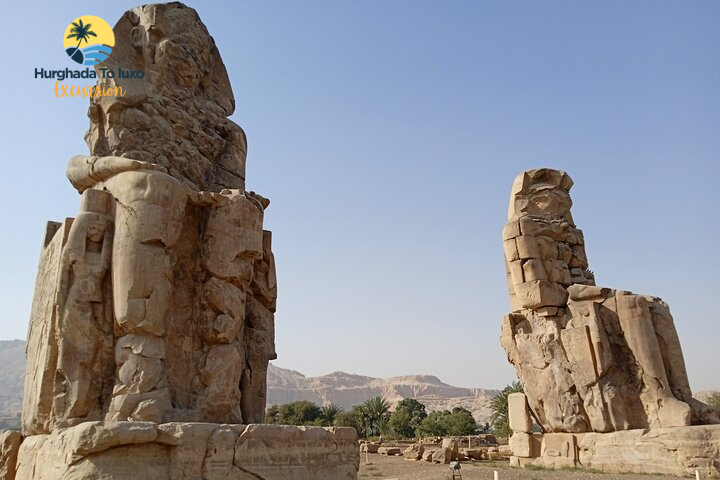
The two 18-metre quartzite statues of Amenhotep III — all that visibly remains of the largest mortuary temple ever built in Egypt, now almost entirely eroded. A photography stop with historical context from your guide on the ongoing excavations still uncovering fragments of the vanished temple in the surrounding fields.
11:15 AM – 13:15 PM — Valley of the Kings ⭐⭐⭐
Two hours at the royal necropolis
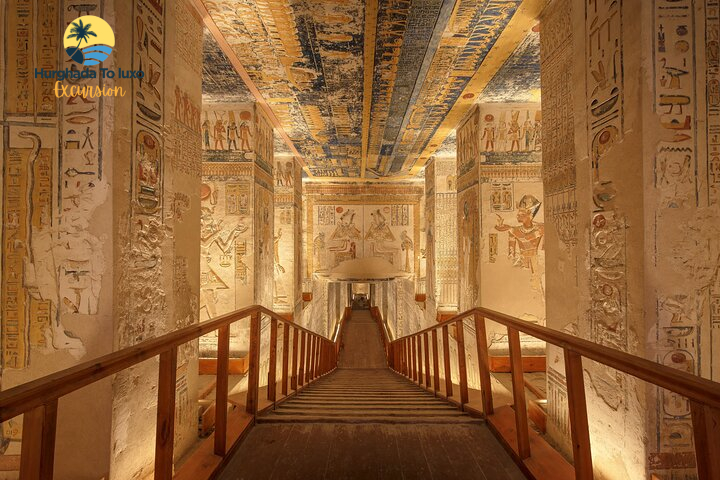
Two full hours at the Valley of the Kings. Your standard ticket includes 3 tombs selected by your guide. The painted walls of hieroglyphic funerary texts — the Book of the Dead, the Amduat, the Book of Gates — describe the pharaoh’s journey through the 12 hours of the night in extraordinary visual detail. Optional: Tutankhamun’s tomb (~€15 extra, payable on the day).
13:30 – 14:30 PM — Temple of Hatshepsut
Three terraces against the limestone cliff at Deir el-Bahari
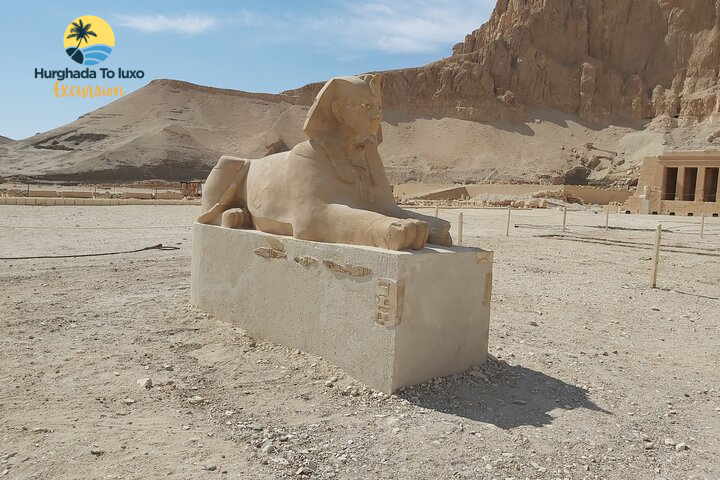
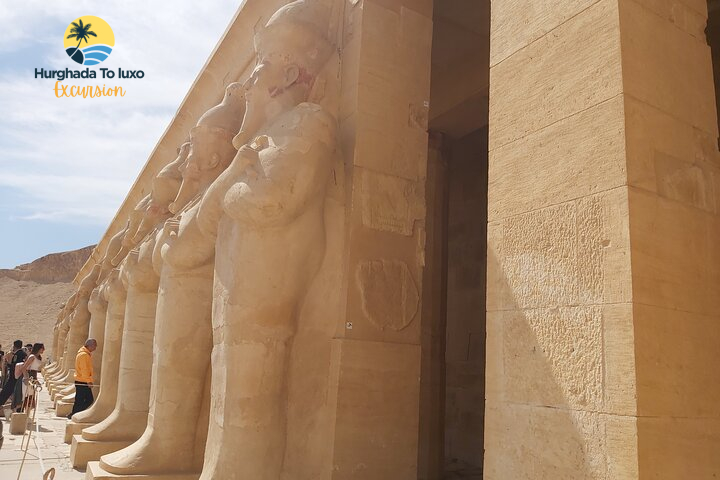
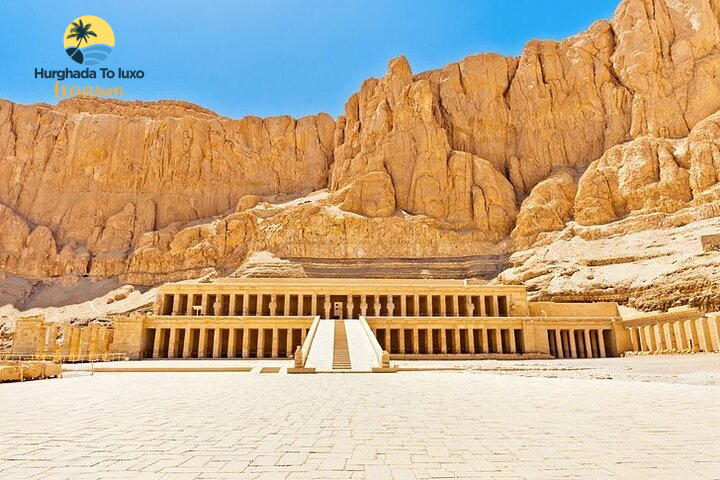
The mortuary temple of Hatshepsut — Egypt’s most powerful female pharaoh — rising in three colonnaded terraces against the sheer limestone cliff face. Your guide narrates the 21-year reign and the deliberate erasure of her name and image by Thutmose III, whose chisel marks remain physically visible today.
15:00 – 16:00 PM — Lunch at a Nile-View Restaurant
Last land meal before boarding
Lunch at a quality Nile-view restaurant in Luxor before heading to Karnak. Selected by your guide for quality. Vegetarian, halal, and child-friendly options available.
16:30 – 18:30 PM — Karnak Temple Complex ⭐⭐⭐
The largest religious structure ever built — in late-afternoon light
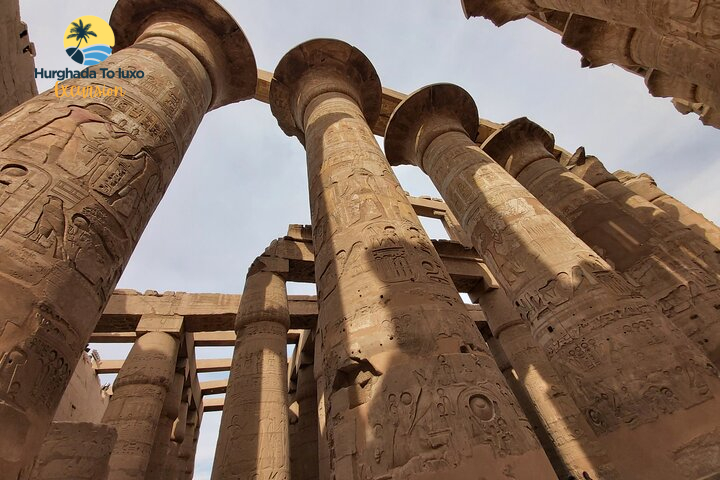
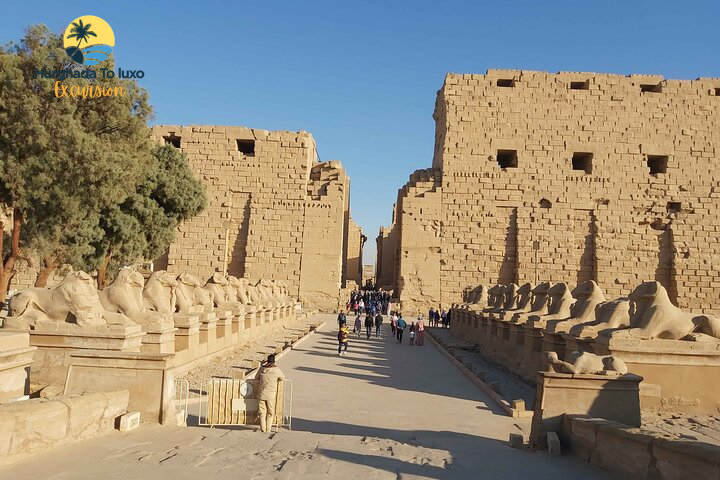
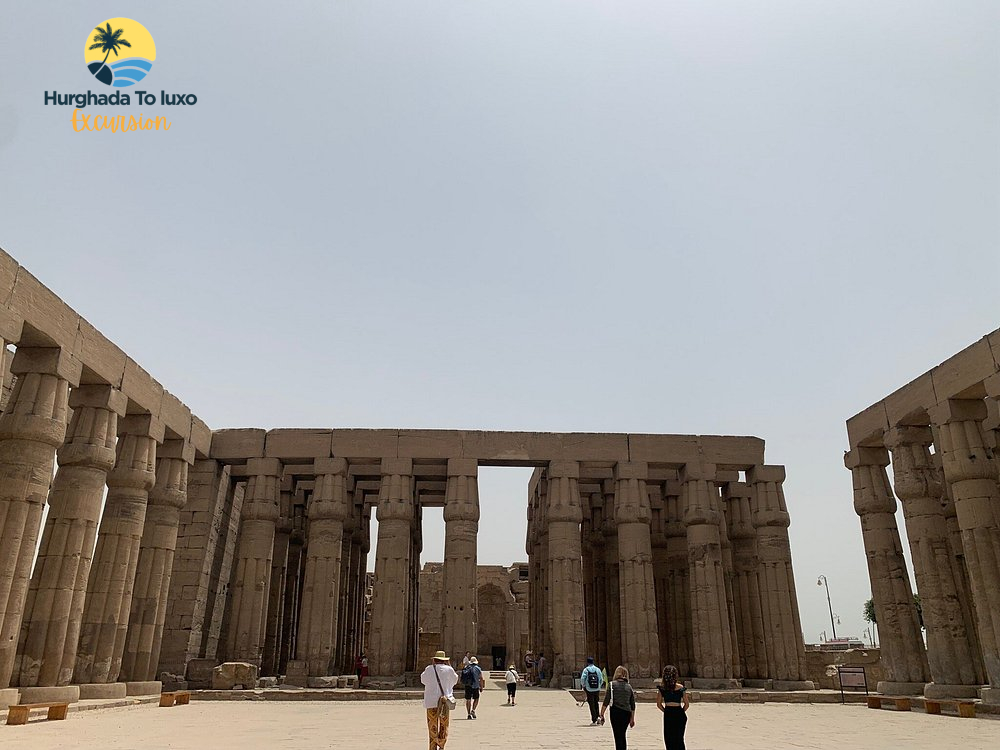
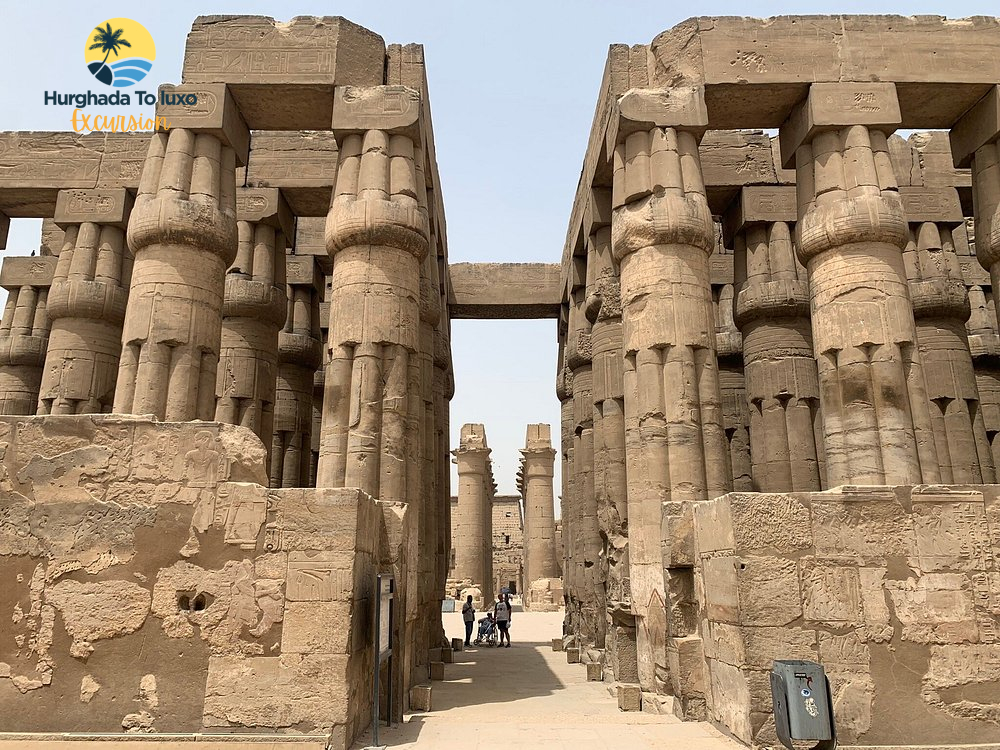
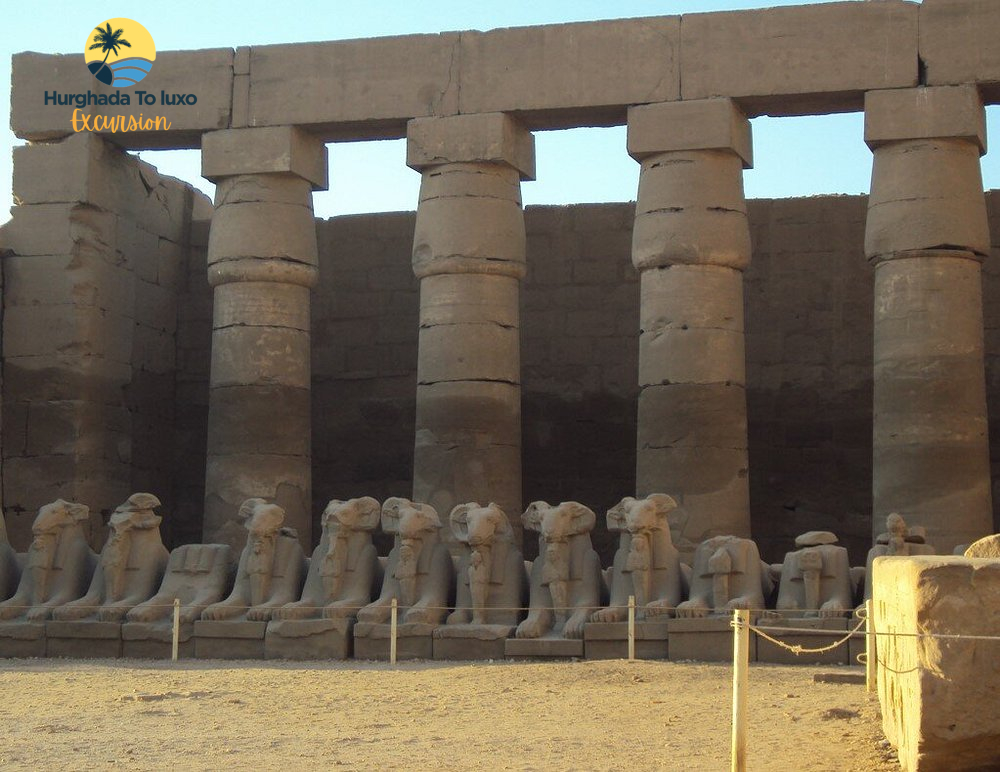
Two full hours at Karnak in the ideal late-afternoon light. The Great Hypostyle Hall’s 134 columns, the Sacred Lake, the Obelisk of Hatshepsut, the Avenue of Ram-Headed Sphinxes. Your guide explains the 2,000-year layered construction — each addition identifying a different pharaoh’s reign through architectural style and cartouche analysis.
19:30 PM — Embarkation at Luxor or Esna
Welcome on board your Dahabiya — Night 1
Transfer to the Dahabiya embarkation point at Luxor or Esna (confirmed at booking). Welcome on board, cabin introduction, dinner served on the vessel. The Dahabiya prepares to sail south the following morning. The sound of the Nile against the hull replaces the hotel corridor on your first night aboard.
⛵ Night 1 on board: Dinner is served on the Dahabiya. All meals from this evening forward are included on full board. The vessel moors for the night at Luxor or Esna. The sailing schedule from Day 2 onward is confirmed according to wind and lock conditions — your guide manages all adjustments.
Day 2 — Esna Lock · Sailing · Edfu
07:00 – 08:30 AM — Breakfast on Board and Sail South
Your first morning on the Nile under sail
Breakfast served on the deck or in the dining area as the crew sets the lateen sails and the Dahabiya begins to move with the northerly wind. The Nile Valley in the morning at this point — sugar cane and palm groves, the limestone escarpment rising behind — looks as it did when 19th-century European travellers first documented this journey in published accounts.
Morning — Esna Lock and Temple of Khnum
A stop unavailable on motor cruise schedules
All vessels travelling south on the Nile must pass through the Esna Lock — a water-level management system that lowers the boat to the lower river level. The wait, typically 30–90 minutes, moors the Dahabiya directly beside the Esna embankment. Your guide leads a short walk to the Temple of Khnum at Esna — a Ptolemaic and Roman-era temple buried beneath the town for centuries and only partially excavated. The painted hypostyle hall ceiling, decorated with astronomical and zodiac reliefs, is one of the most unusual temple interiors on the entire Luxor–Aswan stretch and is rarely seen because motor cruise schedules do not stop here.
Midday — Sailing the Open Valley to Edfu
Lunch served on deck as the river unfolds
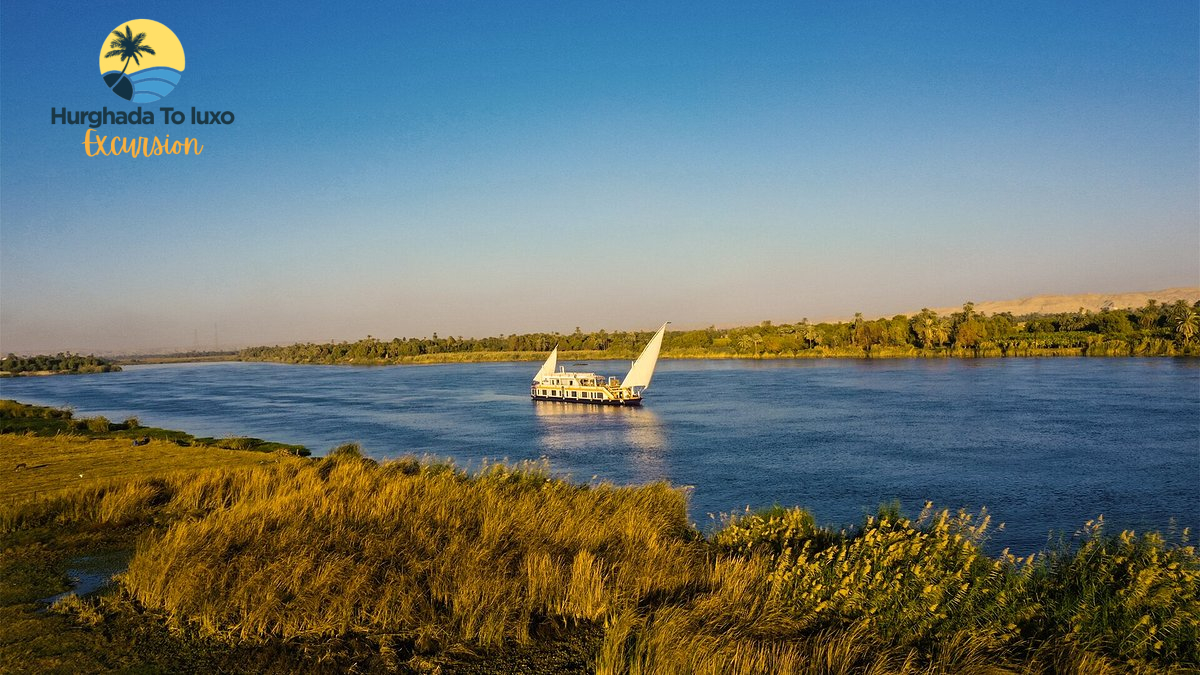
Lunch is served on board as the Dahabiya continues south. This sailing stretch — the open Nile Valley between Esna and Edfu — is one of the most agricultural and visually uninterrupted sections of the entire route. Villages appear on both banks, children wave from irrigation channels, and the only sounds are wind in the rigging and water against the hull.
Afternoon — Temple of Horus at Edfu ⭐⭐⭐
The best-preserved ancient Egyptian temple in existence
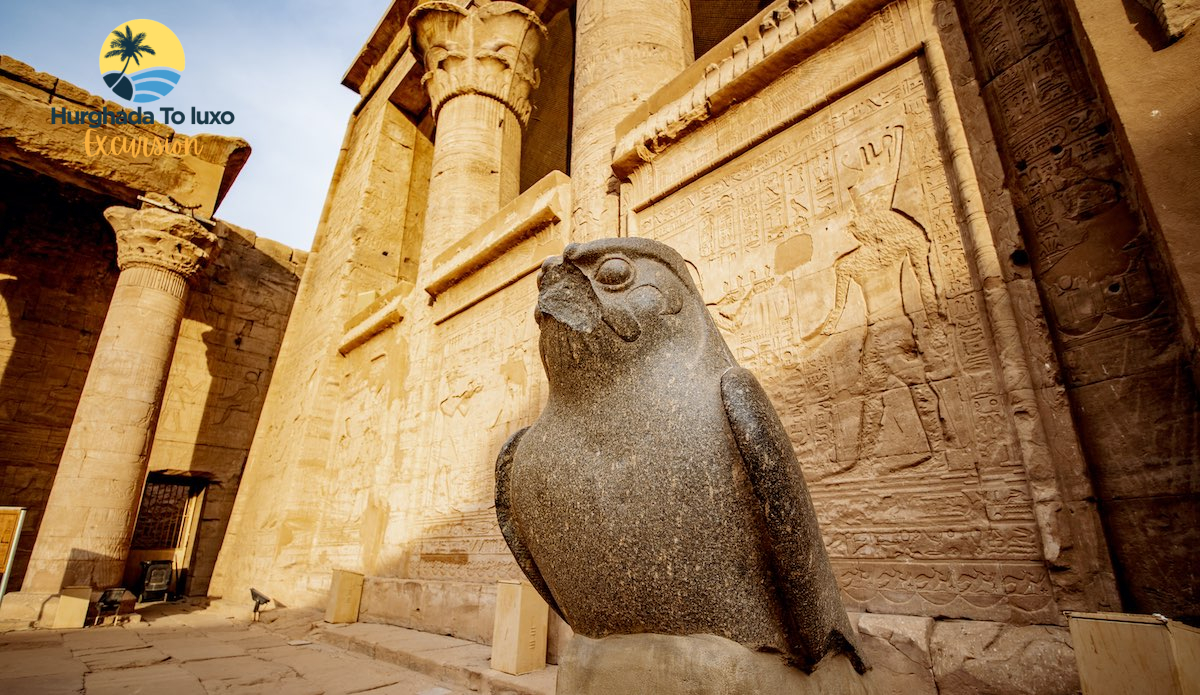
After mooring at Edfu, a horse-drawn caleche or taxi transfers you to the Temple of Horus — built by the Ptolemaic rulers between 237 and 57 BCE. This temple was buried under desert sand for centuries, which protected its painted surfaces and structural integrity to a degree unmatched by any older temple. The complete architectural programme — from entrance pylon through hypostyle halls to inner sanctuary — can be read in its entirety, including the laboratory room with its carved perfume and incense recipes, the rooftop chambers, and the inner sanctuary housing the black granite statue of Horus as a falcon. Approximately 2.5 hours on site with your guide. Dinner on board moored at Edfu.
⛵ Night 2 on board: The Dahabiya moors at Edfu after the temple visit. Dinner served on board. The open deck at night moored along a smaller town bank — away from the commercial mooring congestion of larger vessels — is one of the quietest moments of the tour.
Day 3 — Edfu to Kom Ombo
07:00 AM — Breakfast on Board · Sail South
The middle Nile — the heart of the sailing days
Breakfast served as the crew casts off from Edfu and the Dahabiya sets its sails for the stretch south to Kom Ombo. This is the quietest and most agricultural section of the whole 5-day route — the valley is wide, the sandbanks numerous, and the landscape of donkeys working irrigation wheels and fishermen casting nets from wooden boats appears unchanged for a thousand years.
Morning – Midday — Open Sailing · Felucca Encounter
The full Dahabiya experience — wind, current, and silence
A morning of open sailing on the Nile. The Dahabiya’s shallow draught allows it to navigate closer to the bank and through shallower channels than a motor cruise ship — mooring spontaneously beside a sandbank for a swim, stopping at a village market if the schedule allows, or simply remaining on deck as the valley opens and closes around each bend. Lunch is served on board. Your guide is available throughout for conversation, questions, or simply to name the landmarks passing on each bank.
Late Afternoon — Temple of Kom Ombo ⭐⭐⭐
Egypt’s only double temple — directly on the Nile bank
The Dahabiya moors directly below the Kom Ombo temple embankment — the site’s Nile-bank position means the approach by vessel is uniquely dramatic, with the temple’s colonnades rising above the water line as you pull in. The Temple of Sobek and Haroeris is the only ancient Egyptian temple built with two complete, parallel sacred programmes sharing a central wall — two entrance pylons, two hypostyle halls, two sanctuaries. Your guide covers the dual dedication, the famous surgical instrument carvings on the inner corridor walls (forceps, scalpels, and bone saws carved 2,000 years ago), the Nilometer used to measure annual flood levels, and the Crocodile Museum containing 22 preserved mummies of the sacred crocodiles once kept in a pool beside the temple. Approximately 2 hours on site. Dinner on board moored at Kom Ombo — the temple illuminated after dark visible from the deck.
⛵ Night 3 on board: Moored at Kom Ombo. Dinner on the deck with the illuminated temple visible above the bank. The night sky at Kom Ombo — away from the light pollution of Luxor or Aswan — is exceptional. Day 4 begins with the final sailing leg to Aswan.
Day 4 — Kom Ombo to Aswan
07:00 AM — Breakfast on Board · Final Sailing Leg to Aswan
The Nile narrows and the granite begins
Breakfast served as the Dahabiya sets out on the final sailing leg south to Aswan. The landscape changes noticeably over this stretch — the broad agricultural valley gives way to something more dramatic, as granite outcroppings begin to emerge from the riverbed and the banks narrow. The Nile at Aswan is a completely different river from the one you left at Luxor — and the approach from the north, under sail with the First Cataract rocky islands gradually appearing ahead, is the most visually striking arrival of the 5-day journey.
Midday — Arrival and Mooring in Aswan
The most beautiful stretch of the Nile in Egypt
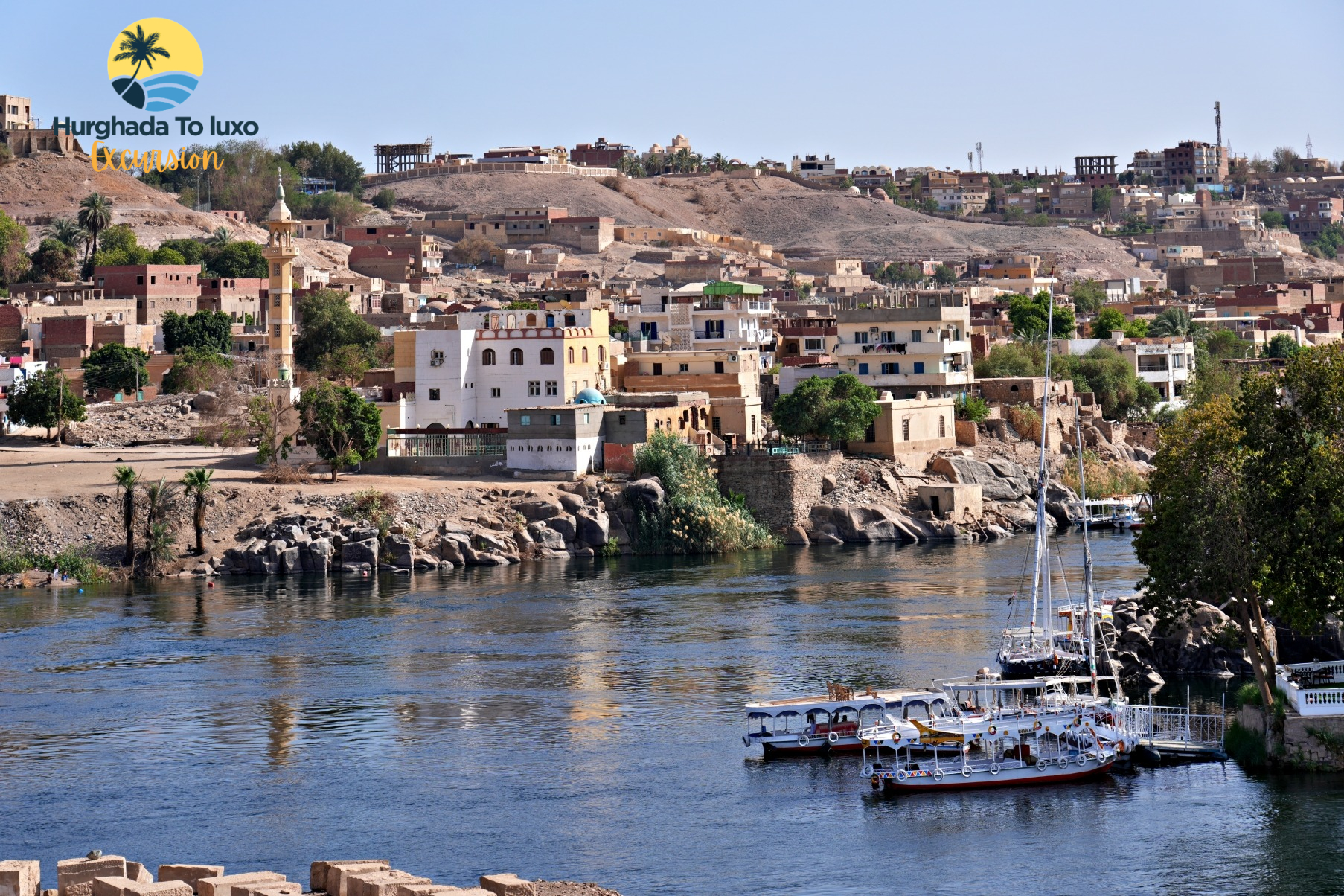
The Dahabiya moors in Aswan — the end of the sailing programme. Lunch served on board. Aswan is widely described as the most beautiful stretch of the Nile in Egypt — smooth granite islands rising from the water, traditional felucca sailing boats moored along the corniche, the golden dunes of the West Bank desert visible across the river, and the general pace of life noticeably quieter than Luxor. The afternoon is free time in Aswan — the corniche, a felucca ride, the old Nubian market — at your own leisure before dinner on board for the last night.
Evening — Aswan Corniche · Dinner on Board
The last evening on the Nile
The final dinner on board the Dahabiya as the Aswan sun sets over the West Bank dunes. The deck at Aswan in the evening — with the granite islands catching the last light and the feluccas making their final circuits of the Elephantine Island — is the closing image of four days on the river. Day 5 begins with disembarkation and the Aswan sightseeing programme before the road north.
⛵ Night 4 on board: The final night moored in Aswan. Day 5 begins with breakfast on board, cabin checkout, and the Aswan sightseeing programme (Aswan High Dam and Philae Temple) before the 5–6 hour road journey back to Hurghada.
Day 5 — Aswan Sightseeing and Return to Hurghada
07:00 – 08:30 AM — Breakfast and Disembarkation
Final breakfast on board · Luggage to your private vehicle
Final breakfast on the Dahabiya. Cabins are cleared and luggage transferred to your private vehicle for the day’s land programme and return journey. Your Egyptologist guide continues with you throughout Day 5.
09:00 – 09:45 AM — Aswan High Dam
The dam that flooded ancient Nubia and saved its monuments
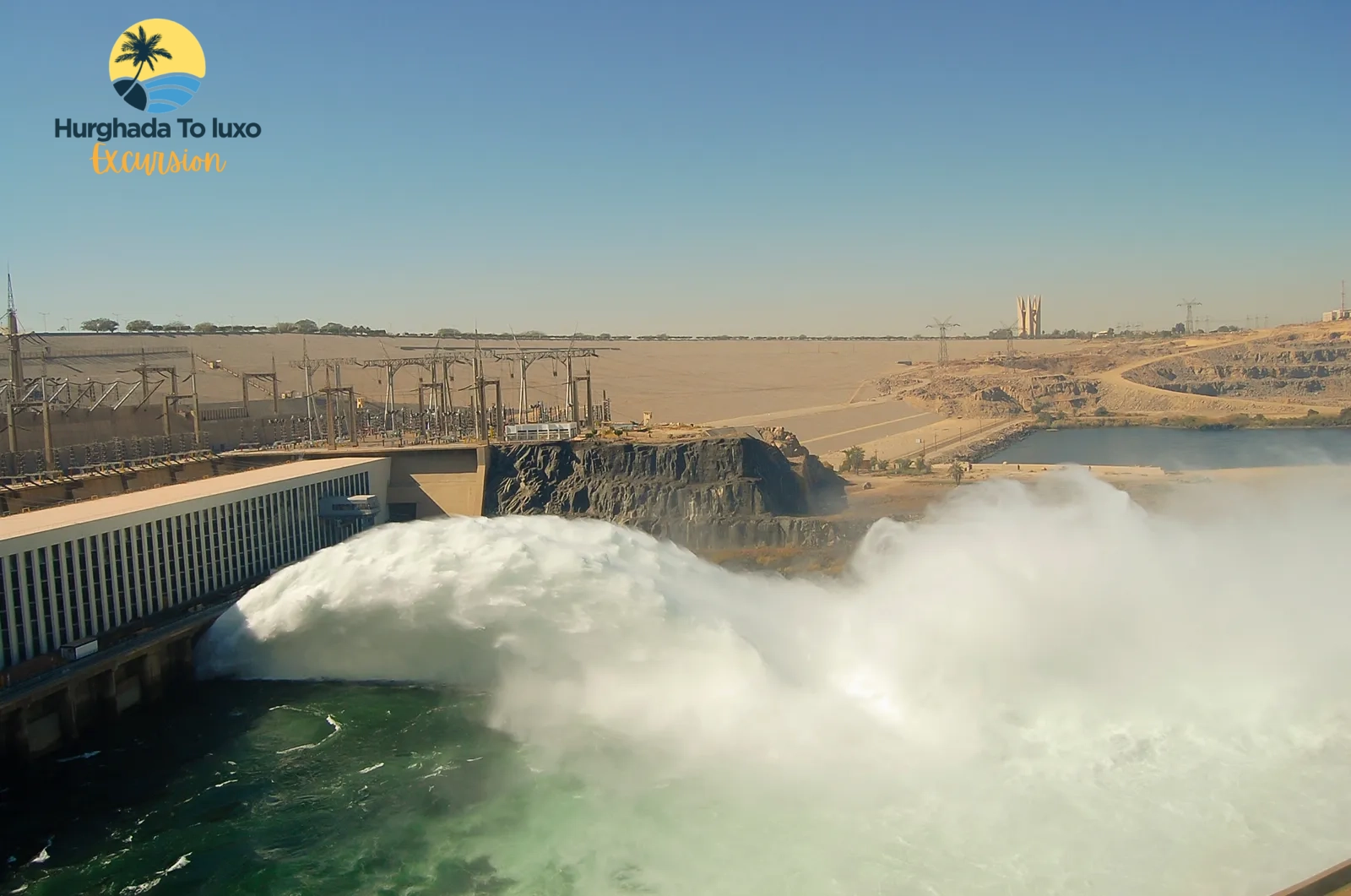
The Aswan High Dam completed in 1971 created Lake Nasser — 550 km long — and in doing so submerged the original sites of Philae, Abu Simbel, and the entire landscape of Egyptian Nubia. The international UNESCO response to this consequence saved both monuments and established the global standard for large-scale heritage rescue. Standing on the dam after four days on the river it created adds specific meaning to what might otherwise be a purely engineering visit.
10:30 – 12:30 PM — Philae Temple ⭐⭐⭐
The last ancient Egyptian religious site — reached by motorboat
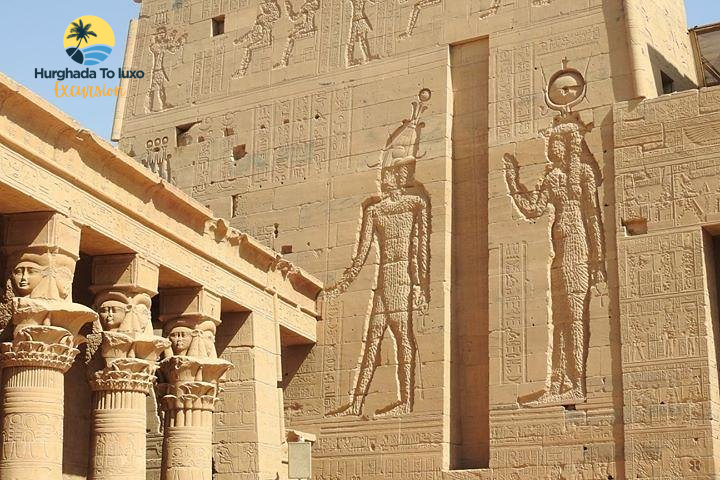
A short motorboat crossing from the Aswan reservoir to Agilkia Island, where the Temple of Isis was reconstructed block by block from its flooded original site. The crossing reveals the island from the water — the same approach that ancient priests and pilgrims made for centuries. On the island, your guide covers the temple’s complete Ptolemaic and Roman history, the significance of Isis as a deity across the ancient Mediterranean world, and the hieroglyphic inscription carved in 394 CE — the last known use of the ancient script, approximately 4,500 years after its invention. Approximately 2 hours on site.
13:00 – 14:00 PM — Lunch in Aswan
Final meal before the road north
Lunch at a quality Nile-side restaurant in Aswan — your last meal in Upper Egypt before the return journey. A proper rest before the approximately 5–6 hour drive back to Hurghada.
15:00 PM – 21:00 PM — Aswan to Hurghada Return Drive
Door-to-door return to your Hurghada hotel
Your private vehicle drives directly from Aswan north to your Hurghada hotel — no shared stops, no additional pickups. Approximately 5–6 hours. You arrive at approximately 20:30–21:30 PM, completing 5 days across the most concentrated historical landscape in the ancient world.
Request pricing and availability for the 5 day Luxor to Aswan Dahabiya cruise from Hurghada.
✓ Private round-trip road transport (Hurghada → Luxor/Esna on Day 1 · Aswan → Hurghada on Day 5)
✓ 4 nights full-board on the Dahabiya (cabin category confirmed at booking)
✓ All meals on board (dinner Day 1 through breakfast Day 5 — full board)
✓ Licensed Egyptologist guide — dedicated to your group for all 5 days
✓ Valley of the Kings entrance (3 standard tombs)
✓ Temple of Hatshepsut & Colossi of Memnon entrance + West Bank motorboat
✓ Karnak Temple Complex entrance
✓ Temple of Khnum at Esna entrance (during Esna Lock wait)
✓ Temple of Horus at Edfu entrance + transfer from dock
✓ Temple of Kom Ombo entrance + Crocodile Museum
✓ Aswan High Dam visit
✓ Philae Temple entrance + motorboat to the island
✓ 1 land lunch Day 1 (Luxor) + 1 land lunch Day 5 (Aswan)
✓ Bottled water throughout all 5 days · Zero shopping stops guaranteed
❌ What Is Not Included
✕ Tutankhamun’s tomb (~€15 extra, payable on Day 1 at Valley of the Kings — optional and recommended)
✕ Alcoholic beverages and some soft drinks on board the Dahabiya — confirm specifics at booking
✕ Tips for Egyptologist guide and vehicle driver (optional — €15–€25 per person across 5 days)
✕ Tips for the Dahabiya crew (a separate crew tip envelope at disembarkation is customary — your guide can advise on appropriate amounts)
✕ Personal purchases and souvenirs
Prices and Booking
Pricing
Price on Request
Price varies by group size, cabin category, and travel dates
Dahabiya charters are typically available as full private charters (your group takes all cabins) or individual cabin bookings. We confirm the most suitable arrangement for your group at enquiry stage.
🗓️ Booking lead time: Dahabiya vessels have significantly fewer cabins than motor cruise ships — most carry between 8 and 24 guests total. Quality vessels with established programmes fill 6–10 weeks in advance for peak season dates (October–February). We strongly recommend enquiring as early as possible, particularly for groups of 4 or more who want privacy across the vessel. Mention your group size, approximate dates, and any cabin preferences when contacting us.
Pickup Information
Day 1 Pickup Location
Your hotel lobby in Hurghada, El Gouna, Sahl Hasheesh, Makadi Bay, or Soma Bay. Your driver meets you with a name board. The Egyptologist guide is on board from this first moment.
Day 1 Pickup Time
06:00 – 07:00 AM, confirmed 24 hours in advance. Earlier times for hotels further south to allow the full Day 1 Luxor programme before embarkation.
Embarkation Point
Luxor or Esna, confirmed according to the Dahabiya’s sailing schedule at booking. Your luggage travels directly from Hurghada to the vessel by private vehicle — no intermediate transfers.
Day 5 Return Drop-Off
Your original Hurghada hotel, door to door. Estimated return: 20:30 – 21:30 PM on Day 5.
What to Bring
Soft-Sided Luggage — 5 Days
Dahabiya cabin storage is typically more limited than a hotel room. Soft-sided bags or duffels are easier to store than rigid suitcases. Pack 4 changes of clothing, swimwear for on-deck sunbathing, a smart-casual outfit for the dining area evenings, and your full toiletry kit.
Sun Protection — 5 Full Days
SPF 50 sunscreen, wide-brimmed hat, UV sunglasses. The Dahabiya deck is exposed for hours at a time on sailing days. Site visits at Edfu and Kom Ombo are fully outdoor in direct sun. Reapply every 90 minutes on sailing days.
Walking Shoes for Site Days
Days 1, 2, 3, and 5 all involve walking on uneven stone and gravel at temple sites. Sandals are fine for on-board time but not for any site visit. Bring closed-toe walking shoes and wear them on all site days.
Modest Clothing for All Sites
Every site on this tour — Karnak, Hatshepsut, Esna, Edfu, Kom Ombo, Philae — requires covered shoulders and knees. Pack modest site clothing for all five days and swimwear or shorts strictly for on-board use.
Camera + 2 Power Banks
Five days of outstanding photography — the lateen sails against the sky, Edfu’s intact pylons, Kom Ombo on the water, the desert landscape at Aswan. The Dahabiya cabin will have charging points. Bring 2 fully charged power banks and ample memory.
Original Passport — Keep Accessible
Required for Dahabiya embarkation registration, road security checkpoints, and site ticket offices across all 5 days. Keep it in your day bag throughout the tour.
Insider Tips
Tip 1 — Book early: Dahabiya cabins are extremely limited. The most sought-after vessels on the Luxor–Aswan route carry only 8–16 guests and have multi-year returning client bases. A quality Dahabiya in peak season (October–February) needs to be booked 3–4 months in advance. The later you enquire, the more likely you are to find only lower-tier vessels available.
Tip 2 — Request the upper deck or prow cabin if available. On most Dahabiya designs, the forward cabin or the upper deck cabin offers the most direct view of the river, the most natural ventilation, and the most privacy. Mention your cabin preference when requesting a quote.
Tip 3 — The Esna Temple of Khnum is a genuine bonus of the Dahabiya over motor cruise. Motor ships pass through the Esna Lock without stopping for the temple. The Dahabiya’s lock wait allows your guide to walk you directly to the temple entrance — an intimate, rarely crowded site with an extraordinary painted ceiling. Do not miss it during the lock wait.
Tip 4 — Let the Dahabiya’s pace adjust your expectations. The vessel moves with wind and current. On some days you will cover 40 km; on others, less. This variability is a feature, not a defect — the days spent almost stationary on a quiet stretch of bank with the valley going about its business around you are often the ones travellers remember most vividly.
Tip 5 — Add Tutankhamun’s tomb on Day 1 at the Valley of the Kings. At approximately €15, payable on the day, it remains the most commonly regretted omission. Inform your guide at the Valley of the Kings ticket counter that morning.
Tip 6 — Spend at least one evening after dinner on the Dahabiya deck with the lights off. Away from any major city, the desert night sky over the Nile is one of the most impressive starscapes accessible from an Egyptian tour. The Dahabiya’s open deck, moored directly on a natural bank, gives you an unobstructed 360-degree view of it.
Tip 7 — Ask your guide about the lateen sail geometry and the physics of sailing south on the Nile. The prevailing wind runs north-to-south (the same direction the current runs, unusually for a large river), which is why ancient Egyptians used “going north” to mean travelling with the current and “going south” to mean travelling with the wind. This astronomical quirk shaped the entire civilisation that built the temples you are visiting — and sailing a Dahabiya is the most direct physical way to experience it.
Tip 8 — Flash photography is prohibited inside all Valley of the Kings tombs and restricted in temple interiors. The on-board downtime across five sailing days gives you ample opportunity to review and edit your images — bring enough storage to photograph properly without having to delete on the go.
Tip 9 — The Dahabiya crew tips are separate from the guide and driver tips. The crew envelope at disembarkation is a longstanding part of the Dahabiya tradition — your guide will advise on local expectations at the time. Budget approximately the same per person as you would for a hotel stay of equivalent nights.
Frequently Asked Questions
What is a Dahabiya and how is it different from a standard Nile cruise ship?
A Dahabiya is a traditional Egyptian flat-bottomed sailing vessel that was the standard form of Nile travel for centuries — used by ancient Egyptians and documented by 19th-century European travellers including Florence Nightingale and Gustave Flaubert. It carries 8–24 guests rather than 40–100, is powered primarily by wind and current rather than diesel engine, moves at the pace of the river rather than a mechanical schedule, and typically moors on natural Nile banks rather than commercial docking bays. The experience is fundamentally quieter, more intimate, and more connected to the actual character of the river than a motor cruise ship.
Why does embarkation happen at Luxor or Esna — not always the same point?
Dahabiya vessels operate on fixed departure schedules that are determined by the vessel operator based on lock scheduling, river conditions, and sailing programme logistics. The embarkation point — whether Luxor or Esna (approximately 50 km south of Luxor) — is confirmed when you book. In both cases the Day 1 Luxor land programme (Valley of the Kings, Hatshepsut, Karnak) is completed before transfer to the embarkation point, so the sightseeing programme is unaffected by which embarkation point applies to your departure.
Is a Dahabiya comfortable? What are the cabins like?
Quality Dahabiya vessels have well-appointed private cabins with wooden fittings, river-facing windows, proper double or twin bedding, air conditioning, and en-suite bathrooms. The standard is not identical to a 5-star hotel, but it is genuinely comfortable by any reasonable standard — and consistently reported by travellers as superior to expectations. The cabin size is typically more compact than a hotel room, which is why soft-sided luggage is recommended. Cabin category — standard, superior, or suite depending on the vessel — is selected at booking.
What is the Esna Temple of Khnum and why is it not on motor cruise itineraries?
The Temple of Khnum at Esna is a Ptolemaic and Roman-era temple buried beneath the modern town and only partially excavated. It is located 500 metres from the Esna Lock — accessible to Dahabiya passengers during the mandatory lock wait, which typically takes 30–90 minutes. Motor cruise ships pass through the lock on the same schedule but do not stop for site visits because their mechanical speed means the dock-to-temple walk is impractical within their timetable. The temple’s hypostyle hall has a remarkable painted ceiling decorated with astronomical and zodiac reliefs — one of the most unusual and least-visited temple interiors on the entire Luxor–Aswan route.
What is the price of this 5-day Dahabiya cruise from Hurghada?
Pricing is on request because it varies based on group size, vessel, cabin category, and travel dates. Dahabiya charters are available either as full private charters (your group takes all cabins) or individual cabin bookings on a shared vessel. Contact us at [email protected] or via WhatsApp at +20 100 925 5585 with your group size and preferred dates — we will provide a detailed quote within 24 hours.
How does this 5-day Dahabiya tour compare to the 4-day motor cruise?
The 4-day motor cruise covers the same Luxor–Aswan river route in 4 days on a conventional motor cruise ship. It does not include the Temple of Khnum at Esna. The 5-day Dahabiya tour adds one full sailing day, the Esna lock stop and temple visit, and the fundamentally different experience of a traditional sailing vessel. The choice is between efficiency and intimacy — the motor cruise is well-organised and comfortable; the Dahabiya is slower, quieter, and more connected to the actual character of the river.
Book the 5 Day Luxor to Aswan Dahabiya Cruise from Hurghada
Day 1: Hurghada → Luxor temples → Dahabiya embarkation · Day 2: Esna Lock & Temple of Khnum → Edfu · Day 3: Open sailing → Kom Ombo · Day 4: Aswan arrival · Day 5: High Dam → Philae → Return to Hurghada. Dedicated Egyptologist guide all 5 days. 4 nights full-board Dahabiya. All entrance fees included.
Price on Request — contact us with your group size and travel dates
The prevailing wind on the Nile between Luxor and Aswan runs from north to south — the same direction as the river current, which is geographically unusual for a major river. Ancient Egyptians noticed this early and built it into their cosmology: “going north” meant travelling downstream; “going south” meant sailing with the wind. For thousands of years, the lateen-rigged vessels they built were designed around exactly these conditions. A Dahabiya is the direct descendant of that design tradition.
Sailing from Luxor to Aswan on a Dahabiya is not a theme-park recreation of ancient travel. It is the same physical experience — the same wind, the same current, the same river banks, the same sites appearing on the horizon — that shaped the ancient world’s understanding of the Nile as the axis of civilisation. Contact us with your group size and preferred dates to receive your Dahabiya quote.