⛏️ Private Archaeological Tour · Expert Egyptologist · No Shopping Stops
Hurghada to Luxor Archaeological Tour with Expert Guide — The Complete 2026 Programme
📅 Updated: June 2026 |
⏱️ 19 min read |
💶 From €110 / person |
⭐ 4.9/5 rated |
⛏️ Both Banks · Royal Necropolis & Temple Complex
The Hurghada to Luxor archaeological tour with expert guide is built for travellers who want more than a postcard photo at each stop — it is designed around the actual archaeology of ancient Thebes: how these sites were excavated, what the inscriptions actually say, how dating and attribution work, and why certain discoveries changed our understanding of pharaonic Egypt. This is not a rushed sightseeing checklist. It is a single, comprehensive, full-day programme covering both banks of the Nile with a licensed Egyptologist whose explanations go well beyond the standard tourist commentary.
This guide lays out the complete archaeological programme from pickup in Hurghada to drop-off in the evening — site by site, with the historical and excavation context for each stop, full pricing, inclusions, and logistics. Whether you are a serious history enthusiast, a student of Egyptology, or simply a curious traveller who wants real depth rather than a surface-level tour, this is the most detailed resource available for 2026.
⛏️ What makes this an “archaeological” tour rather than a standard sightseeing trip: Your guide is briefed to go beyond names and dates — explaining excavation history (who dug it up, when, and how), the evidence behind disputed attributions, the conservation challenges facing each site today, and how archaeologists actually read the hieroglyphic and stratigraphic record. You leave understanding not just what you saw, but how we know what we know about it.
Why an Archaeological Focus Is Different
Most Luxor day trips are organised around photography stops and quick orientation: “this is Karnak, built by Ramesses II, 134 columns, let’s move on.” The Hurghada to Luxor archaeological tour with expert guide takes a different approach — treating each site as an active subject of ongoing archaeological research rather than a fixed monument to be photographed and left.
🔍
Evidence, Not Just Stories
Your guide explains how attributions are actually established — cartouche analysis, stratigraphy, stylistic dating, and the physical evidence behind contested claims (such as which pharaoh built which section of a temple, and how Egyptologists know).
🗞️
Discovery Stories in Detail
Howard Carter’s 1922 discovery of Tutankhamun’s tomb, the 1881 royal mummy cache at Deir el-Bahari, the ongoing restoration of the Avenue of Sphinxes — these are told as real archaeological detective stories, not footnotes.
🧪
Conservation in Progress
Many sites in Luxor are under active conservation right now — your guide explains current restoration projects, the threats facing painted surfaces (humidity, salt crystallisation, visitor numbers), and how modern teams are addressing them.
📐
Construction Methods Explained
How were 23-metre columns raised without modern machinery? How was a 29.5-metre granite obelisk quarried, transported 200 km, and erected? Your guide walks through the engineering theories with reference to surviving physical evidence on-site.
10 Archaeological Highlights of Ancient Thebes
🏛️
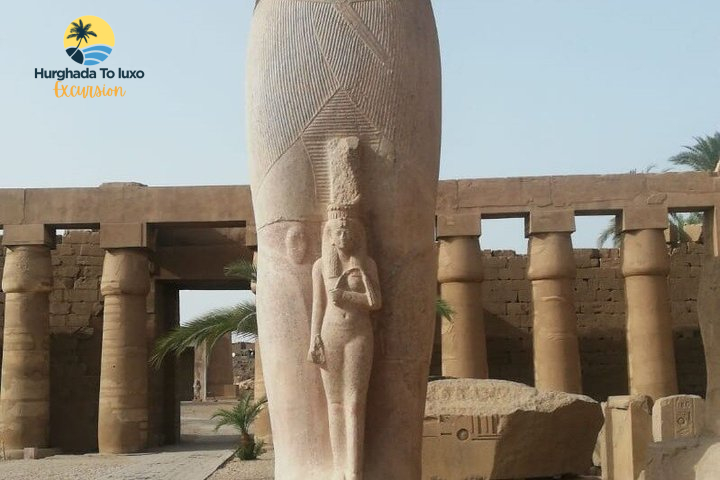
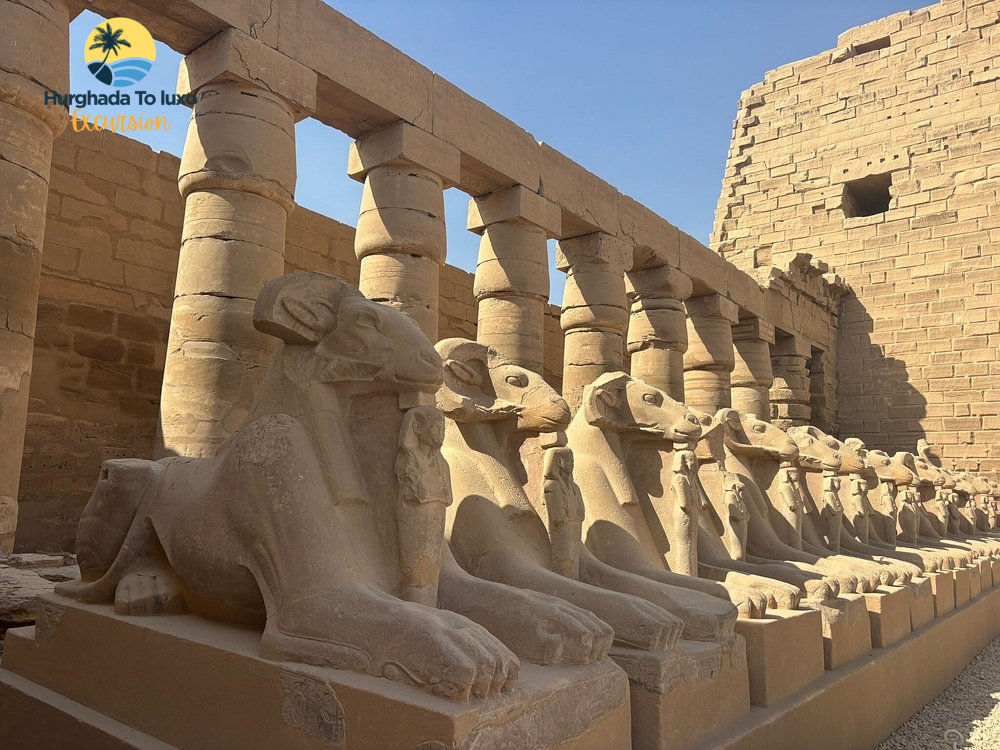
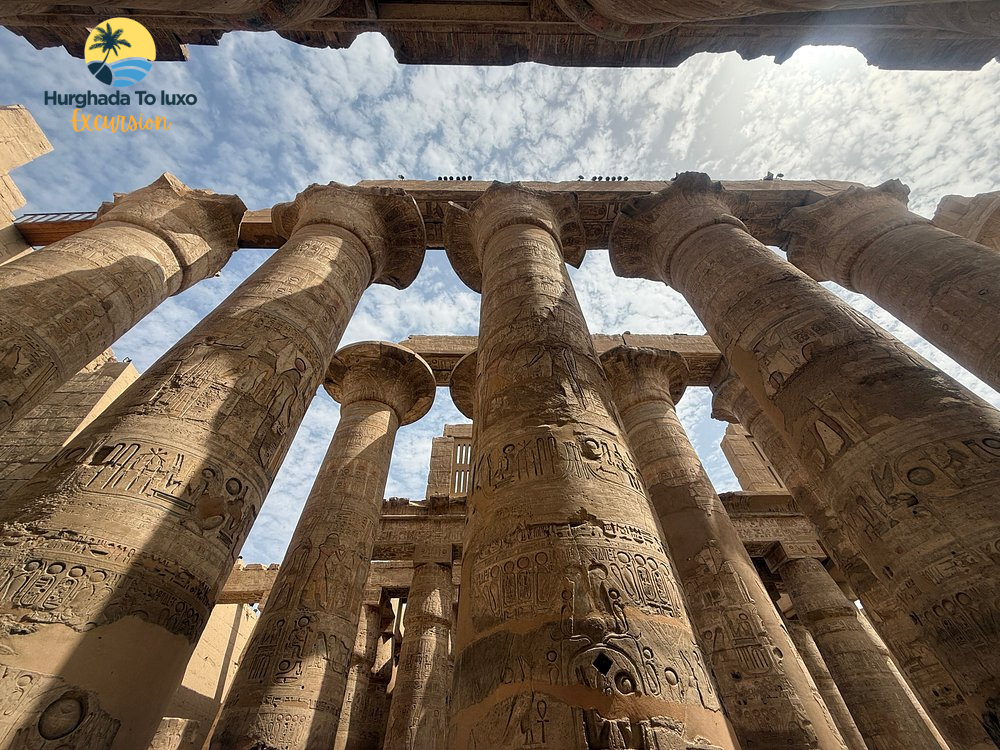
1. Karnak Temple Complex
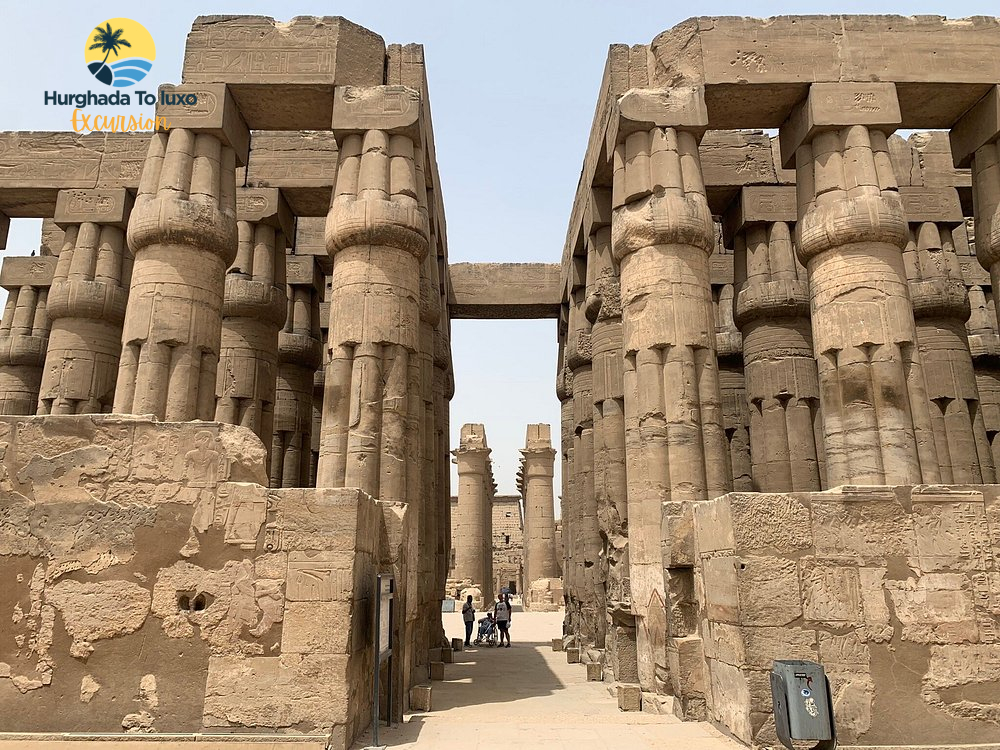
247 acres, built across 2,000 years by more than 30 pharaohs — a layered archaeological record of nearly the entire span of pharaonic civilisation. Your guide explains how successive rulers’ additions can be dated and identified through architectural style and cartouche analysis.
👑
2. Valley of the Kings (KV62, KV9, KV11)
63 tombs discovered to date, cut into limestone between 1550–1070 BCE. Howard Carter’s 1922 discovery of KV62 (Tutankhamun) remains one of the most significant archaeological finds of the 20th century — your guide narrates the full excavation story.
👸
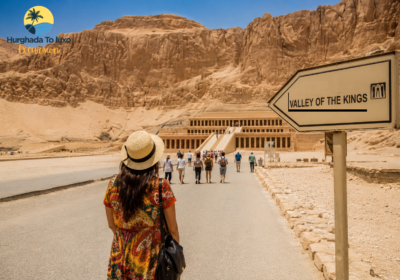
3. Temple of Hatshepsut
A mortuary temple whose architecture was systematically vandalised after Hatshepsut’s death — her name and image chiselled out by her successor Thutmose III. The physical evidence of this erasure is still visible and is a key case study in political archaeology.
🗿
4. Colossi of Memnon
Once the gateway to the largest mortuary temple ever built (now almost entirely vanished). Excavations beneath the surrounding fields continue to reveal new fragments of Amenhotep III’s temple, making this an active dig site even today.
🌅
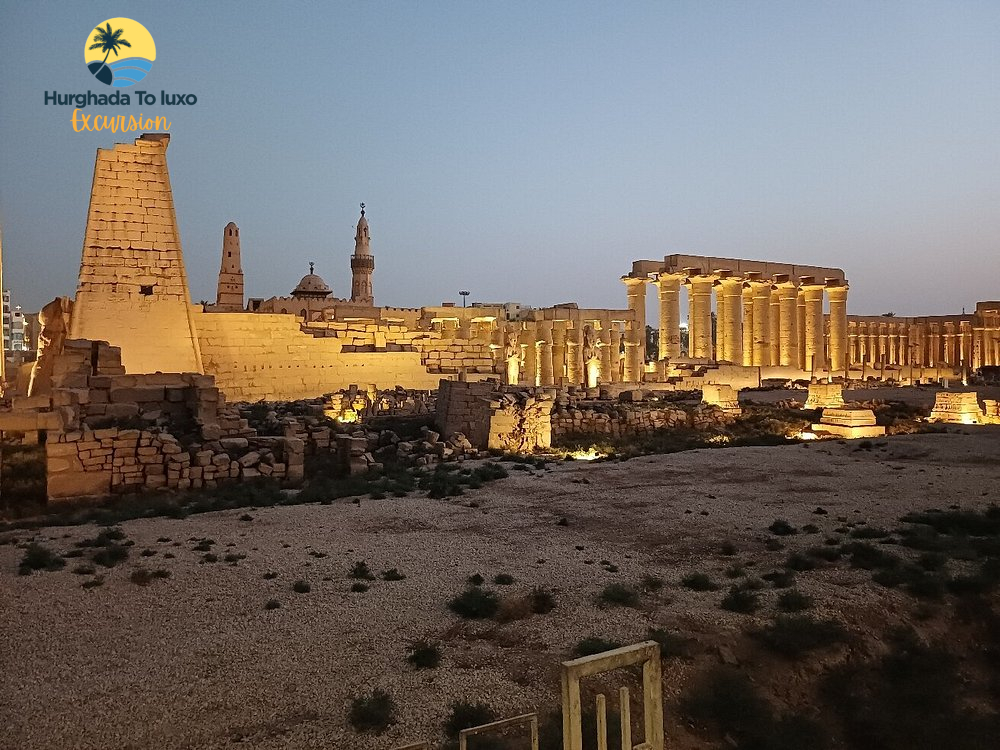
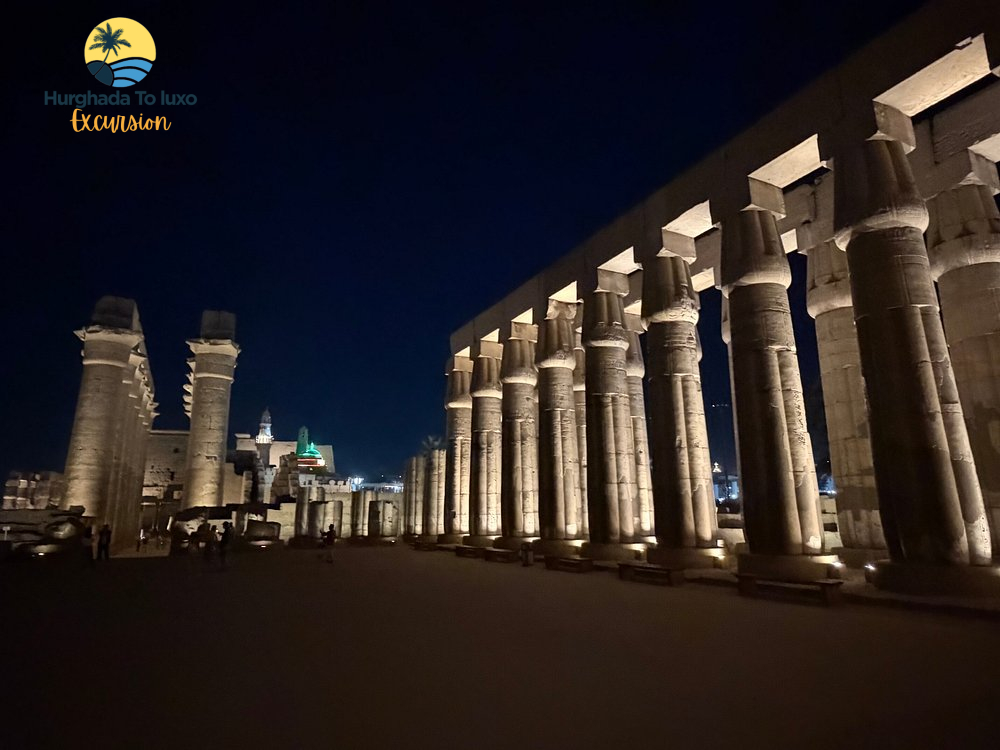
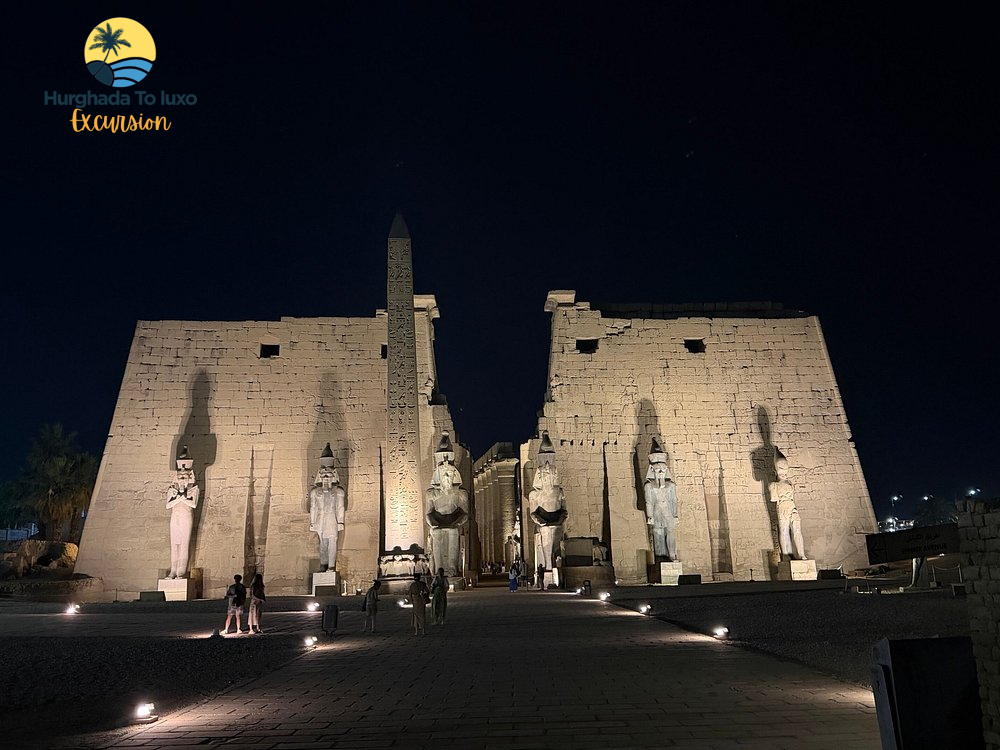
5. Luxor Temple & the Roman Layer
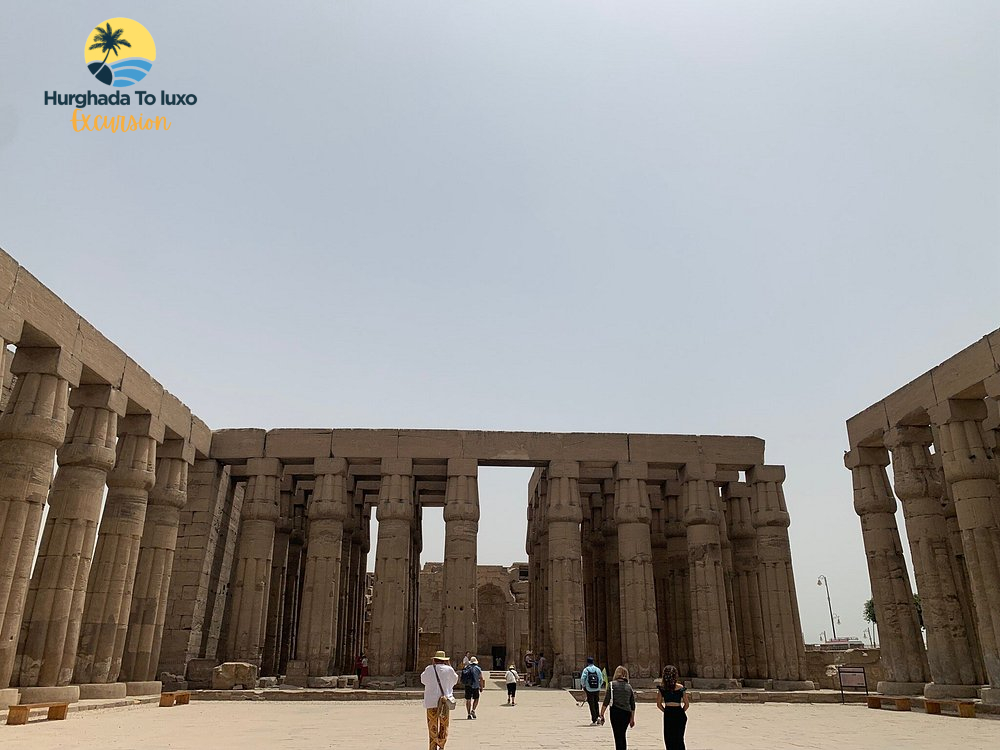
A rare archaeological site where you can see Roman-era construction built directly inside a pharaonic temple — a Roman military chapel inserted into Amenhotep III’s sanctuary. Your guide explains how this layering is read and dated.
🐎
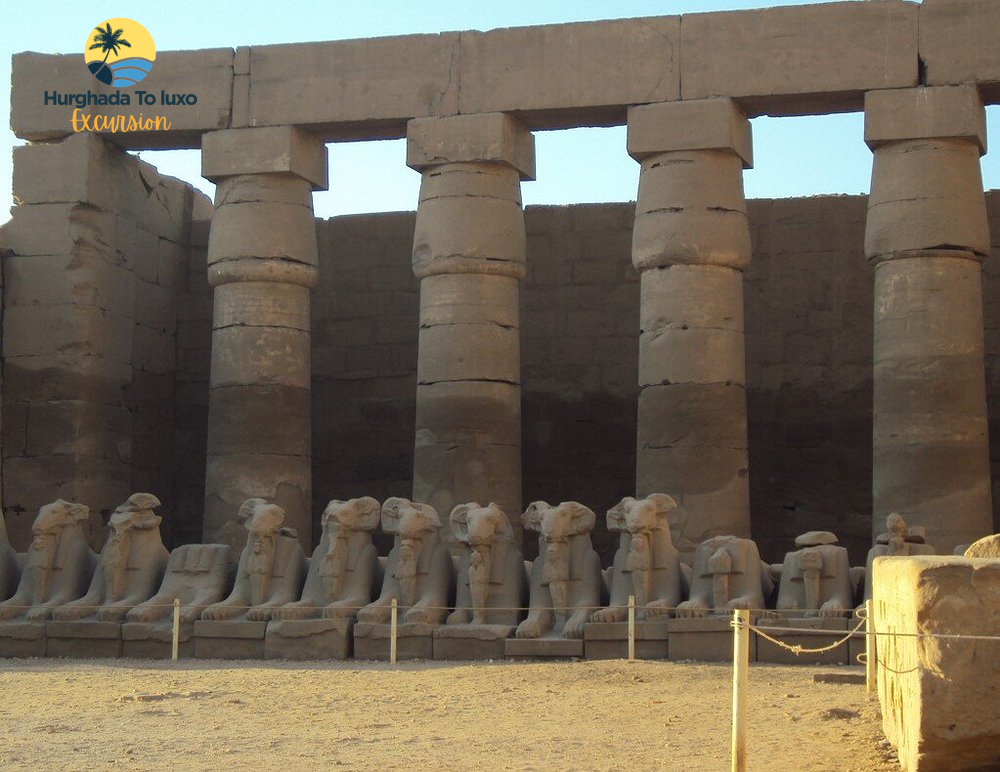
6. Avenue of Sphinxes
A 2.7 km ceremonial road excavated and restored over decades, with sections that had been buried under modern Luxor city itself. The restoration project is a striking example of urban archaeology — entire neighbourhoods relocated to expose the ancient route.
🪦
7. Deir el-Bahari Royal Mummy Cache
In 1881, local antiquities dealers led archaeologists to a hidden cache of more than 50 royal mummies — including several pharaohs — concealed by ancient priests to protect them from tomb robbers. Your guide tells this remarkable detection story near the Hatshepsut Temple site.
📜
8. Hieroglyphic Inscriptions & Cartouches
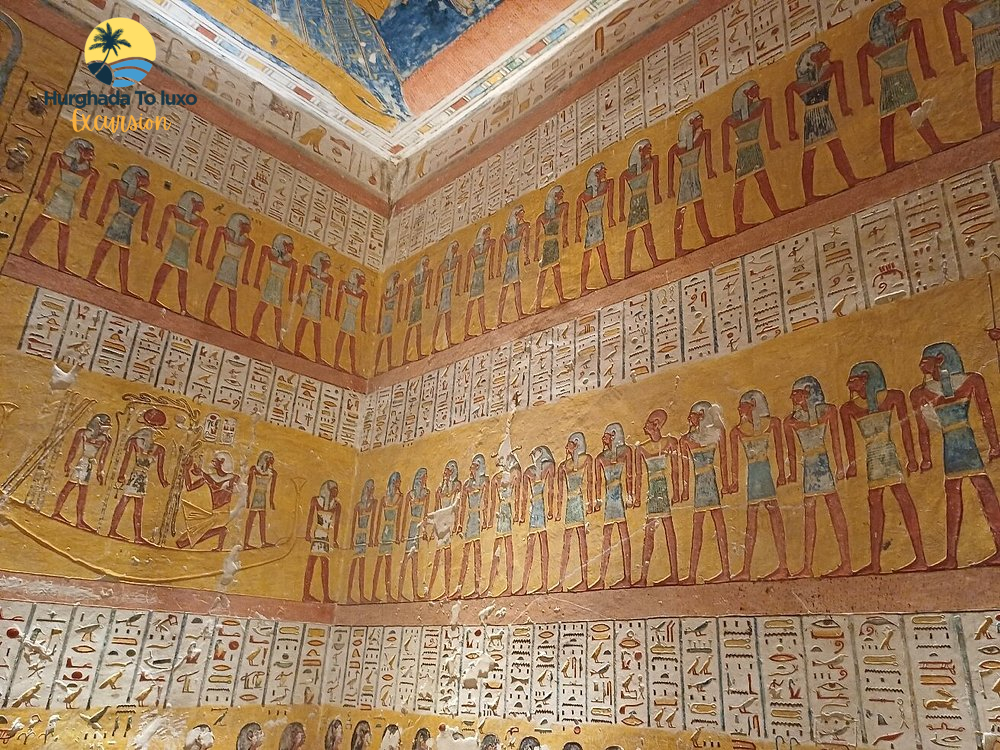
Your guide demonstrates how to actually read a royal cartouche — identifying the pharaoh’s name, the gods invoked, and the formulaic phrases used across different sites — turning passive sightseeing into active interpretation of the written record.
⚖️
9. Tomb-Robbery Evidence in the Valley of the Kings
Ancient papyri record actual trial transcripts of tomb robbers caught and prosecuted within decades of royal burials. Physical evidence of resealing and re-burial (as at the mummy cache) corroborates these ancient legal records — a genuine cross-reference between written and archaeological evidence.
🏺
10. The Open-Air Museum at Karnak
A dedicated reconstruction area where dismantled blocks from destroyed monuments — including the White Chapel of Senusret I — have been painstakingly reassembled by archaeologists like an enormous three-dimensional puzzle, block by numbered block.
Full Itinerary — Hour by Hour from Hurghada
This is the complete Hurghada to Luxor archaeological tour with expert guide programme — a single comprehensive day covering both the West Bank necropolis and the East Bank temple complexes, sequenced for archaeological context rather than simple convenience.
05
05:00 – 06:00 AM — Private Hotel Pickup
Your Private Vehicle Arrives at Your Hotel
Your private, air-conditioned vehicle collects you directly from your hotel lobby in Hurghada, El Gouna, Sahl Hasheesh, Makadi Bay, or Soma Bay. Exact pickup time confirmed 24 hours in advance based on your hotel’s location. Bottled water and USB charging provided throughout the day.
⛰️
06:00 – 09:00 AM — Hurghada to Luxor Transfer
The Desert Highway — Archaeological Briefing En Route
The 260 km drive crosses the Red Sea Mountains via the desert highway — approximately 3 hours. Your expert Egyptologist guide uses this time productively: a structured briefing on the chronology of the New Kingdom, the archaeological significance of the sites you are about to see, and the major excavation milestones that shaped our current understanding of Thebes.
🛥️
09:00 – 09:30 AM — Nile Crossing to the West Bank
Entering the Theban Necropolis
A private motorboat crossing of the Nile to the West Bank — the boundary the ancient Egyptians believed separated the land of the living from the land of the dead. Your guide explains the cosmological reasoning that placed the entire royal necropolis on this side of the river.
🗿
09:30 – 10:00 AM — Colossi of Memnon
An Active Excavation Site
The 18-metre quartzite Colossi of Amenhotep III, all that visibly remains of the largest mortuary temple ever constructed in Egypt. Your guide explains the ongoing excavation work in the surrounding fields, where archaeologists continue uncovering fragments of the vanished temple — and the seismic damage that toppled much of the original structure in antiquity.
👑
10:15 – 12:15 PM — Valley of the Kings ⭐⭐⭐
The Royal Necropolis & Carter’s 1922 Discovery
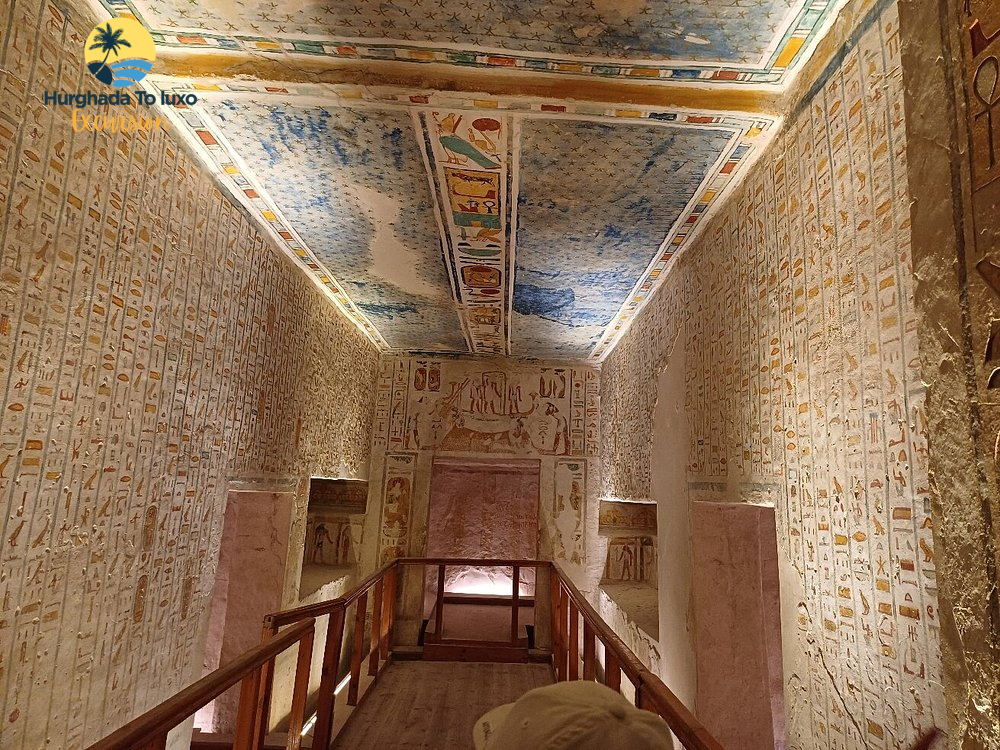
Two full hours at the royal necropolis — significantly longer than a standard tour’s 45-minute stop. Your standard ticket includes 3 tombs, selected by your guide based on which are open and best preserved. Your guide delivers the full archaeological narrative: Howard Carter’s six-season search funded by Lord Carnarvon, the moment of discovery on 4 November 1922, and the painstaking decade-long clearance of the tomb’s contents. Optional: Tutankhamun’s tomb (~€15 extra, highly recommended for the complete discovery story). Your guide also covers the documented ancient tomb-robbery trials and the resealing evidence found across multiple tombs.
👸
12:30 – 13:30 PM — Temple of Hatshepsut & the Mummy Cache Story
Political Erasure as Physical Evidence
The mortuary temple of Hatshepsut, Egypt’s most powerful female pharaoh, rises in three colonnaded terraces against the Theban cliffs. Your guide points out the systematic chiselling-out of Hatshepsut’s name and image by her successor Thutmose III — visible physical evidence of ancient political erasure. Nearby, the guide also tells the story of the 1881 discovery of the royal mummy cache at Deir el-Bahari, where more than 50 royal mummies were found hidden by ancient priests protecting them from tomb robbers.
🍽️
13:45 – 14:45 PM — Nile-View Lunch
Rest, Discuss, and Process the Morning
Lunch at a quality Nile-view restaurant — selected by your guide for quality, never commission. A natural opportunity to ask follow-up questions about the morning’s sites while the details are fresh. Egyptian mezze, grilled dishes, fresh juices. Vegetarian, halal, and child-friendly options always available.
🛥️
15:00 – 15:30 PM — Nile Crossing to the East Bank
From the Land of the Dead to the Land of the Living
A second private motorboat crossing — back across the Nile to the East Bank, where the ancient Egyptians built their temples for worship and ceremony rather than burial. Your guide uses the crossing to bridge the day’s narrative from the necropolis to the temple complexes.
🏛️
15:45 – 18:00 PM — Karnak Temple Complex ⭐⭐⭐
2,000 Years of Layered Construction
The full Karnak visit — the Great Hypostyle Hall (134 columns), the 29.5-metre Obelisk of Hatshepsut, the Sacred Lake, and the Open-Air Museum where dismantled blocks have been painstakingly reassembled. Your guide explains how cartouche analysis and architectural style allow archaeologists to date each section of the complex to a specific pharaoh’s reign across more than 2,000 years of continuous construction and modification. Afternoon light at the Sacred Lake makes this a strong finishing point for the day’s photography as well as its archaeology.
🚗
18:15 – 21:15 PM — Private Return Transfer to Hurghada
Door-to-Door Return as the Desert Turns Gold
Your private vehicle returns you directly to your Hurghada hotel — no shared stops, no coach schedule. The 3-hour return drive crosses the Red Sea Mountains at sunset. You arrive back at approximately 21:00–21:30 with a complete archaeological understanding of ancient Thebes behind you.
Both banks of the Nile in a single comprehensive day
Secure your private Hurghada to Luxor archaeological tour with expert guide — full West Bank necropolis, full East Bank temple complex, zero shopping stops.
⛏️ Book Archaeological Tour — From €110
Free cancellation up to 24 hours before departure
Excavation History — How These Sites Were Found
Part of what makes this tour genuinely archaeological rather than purely sightseeing is the attention given to how each site came to be known and understood. Here is a summary of the excavation milestones your guide covers in detail on location.
| Site / Discovery |
Year |
Significance |
| Tomb of Tutankhamun (KV62) |
1922 |
Discovered by Howard Carter after a 6-season search — the only royal tomb found largely intact, with over 5,000 artefacts catalogued |
| Royal Mummy Cache (Deir el-Bahari) |
1881 |
More than 50 royal mummies found hidden by ancient priests in a single shaft tomb, protected from robbers for nearly 3,000 years |
| Avenue of Sphinxes Restoration |
1949–2021 (ongoing) |
Decades-long excavation beneath modern Luxor city, fully reopened to the public in 2021 after major urban relocation efforts |
| Karnak Open-Air Museum reconstruction |
1920s–present |
Dismantled monuments, including the White Chapel of Senusret I, reassembled block-by-block from fragments reused as filler in later construction |
| Colossi of Memnon temple excavation |
2000s–present |
Ongoing excavation of Amenhotep III’s mortuary temple, the largest ever built in Egypt, continues to reveal new statue fragments |
| Tomb of Ramesses VI (KV9) ceiling restoration |
Ongoing |
Active conservation of the painted astronomical ceiling, one of the most complete star-map representations to survive from ancient Egypt |
💡 Why this matters for your visit: Understanding when and how a site was discovered changes how you look at it. Knowing that Tutankhamun’s tomb sat sealed and forgotten for over 3,200 years before Carter’s lantern light first illuminated it in 1922 transforms a small, unremarkable-looking chamber into one of the most significant archaeological moments of the modern era. Your guide is briefed specifically to draw these connections throughout the day.
Tour Details — Duration, Pickup, Languages
| Detail |
Information |
| Tour Type |
Private (your group only — no shared passengers) |
| Duration |
Approximately 16–17 hours (pickup to hotel return) |
| Pickup Time |
05:00 – 06:00 AM (confirmed 24 hours in advance) |
| Return Time |
Approximately 21:00 – 21:30 PM |
| Languages |
English (standard) · French, German, Spanish, Italian on request (48h notice) |
| Departure Points |
Hurghada, El Gouna, Sahl Hasheesh, Makadi Bay, Soma Bay |
| Group Size |
Private — 1 to 8 people per vehicle |
| Guide Qualification |
Licensed Egyptologist, Ministry of Tourism & Antiquities certified |
| Cancellation Policy |
Free cancellation up to 24 hours before departure |
2026 Pricing — What Is Included & What Is Not
Starting from
€110
per adult · approx. €94 per person
✓ Private Vehicle · ✓ Expert Egyptologist · ✓ Both Banks · ✓ All Entrance Fees · ✓ Nile Crossing · ✓ Lunch
Children (0–12): €58 · Solo traveller: +25% supplement
✅ What Is Included
✓ Private round-trip air-conditioned vehicle (Hurghada ↔ Luxor) — your group only
✓ Licensed expert Egyptologist guide — dedicated to your group for the full day
✓ Valley of the Kings entrance (3 standard tombs)
✓ Temple of Hatshepsut & Colossi of Memnon entrance
✓ Karnak Temple Complex entrance
✓ 2 private Nile motorboat crossings (West Bank to East Bank and return)
✓ 1 lunch at a quality Nile-view restaurant
✓ Bottled water throughout the day
✓ Zero shopping stops — guaranteed in writing
❌ What Is Not Included
✕ Tutankhamun’s tomb (~€15 extra — strongly recommended for the complete discovery story)
✕ Tomb of Ramesses VI / astronomical ceiling (~€8 extra, subject to availability)
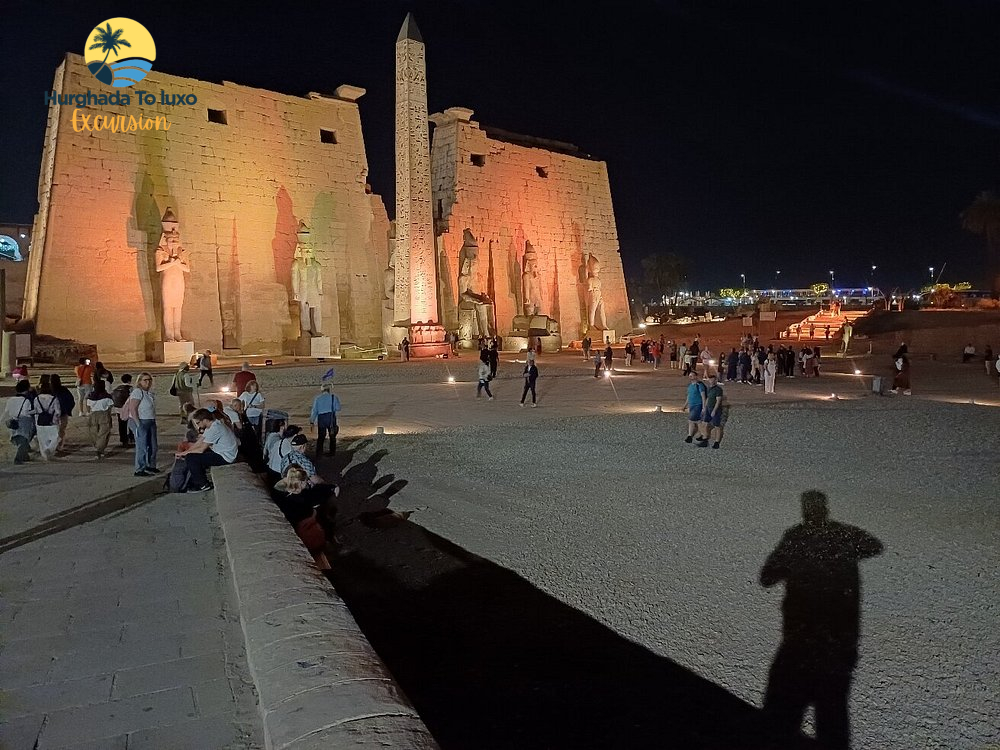
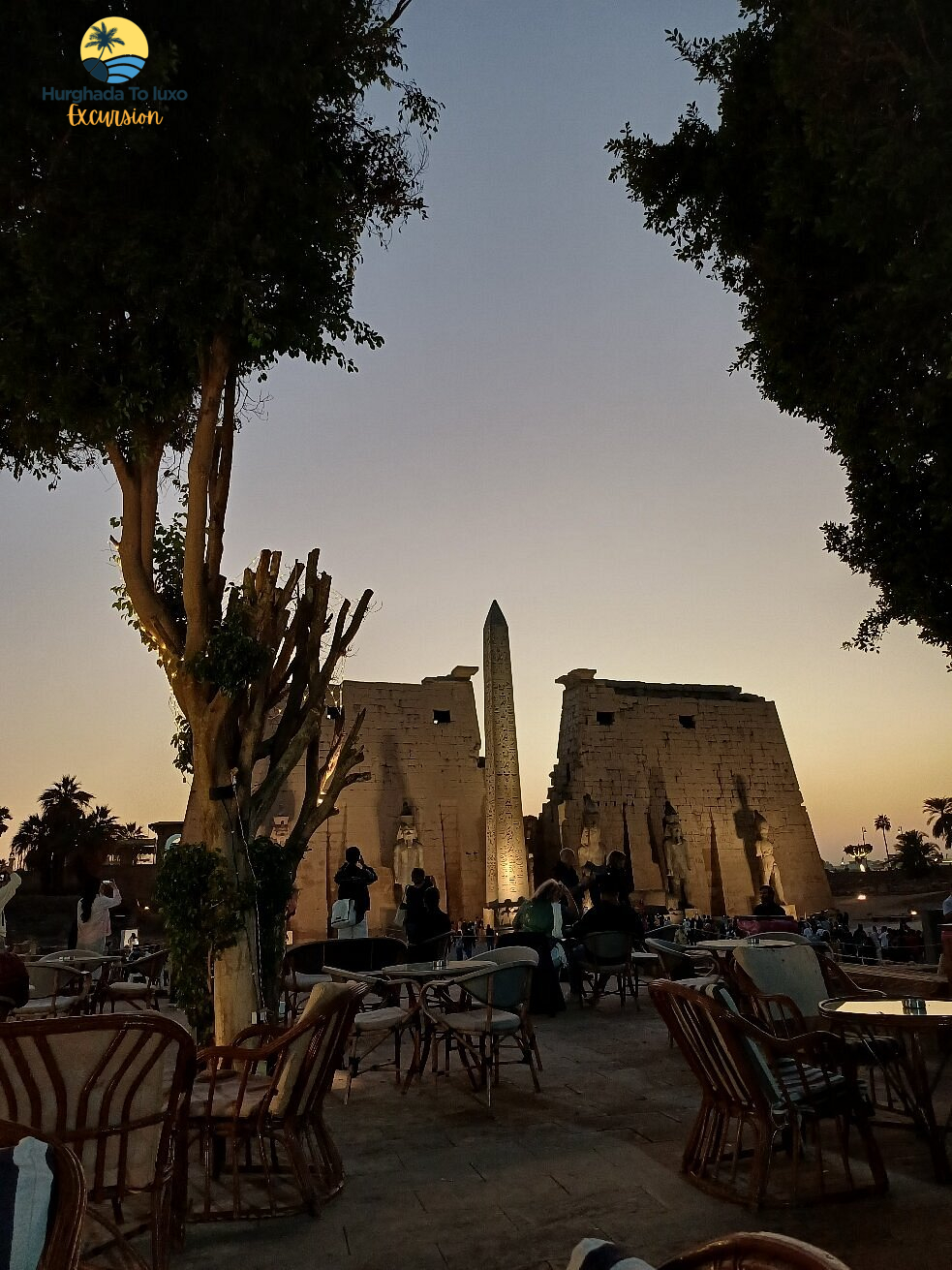
✕ Avenue of Sphinxes & Luxor Temple extension (~€10 extra — optional add-on)
✕ Tips for guide and driver (optional — €10–€15 per person appreciated)
✕ Personal purchases and souvenirs
What to Pack — Day Trip Checklist
🧴
Sun Protection
SPF 50 sunscreen, wide-brimmed hat, UV sunglasses. Both banks involve significant time outdoors in direct sun. Reapply every 90 minutes.
👟
Comfortable Walking Shoes
This is a long, active day — 8–10 km of walking across multiple sites with steps, uneven stone, and gravel paths. Closed-toe walking shoes are essential.
👗
Modest Clothing
Karnak and Hatshepsut’s Temple are religious sites — shoulders and knees covered. Women should carry a light scarf. Pale, breathable fabrics are cooler.
💰
Cash in EGP
For Tutankhamun’s tomb extra, tips, and small purchases. Approximately £40–£50 equivalent is sufficient. June 2026: £1 ≈ 65 EGP.
📷
Camera & Power Bank
Photography is prohibited inside the Valley of the Kings tombs but fully permitted at Karnak, Hatshepsut Temple, and the Colossi. A 16-hour day calls for a full power bank.
🆔
Passport or ID Copy
Required at highway security checkpoints en route. Your driver handles all formalities — just keep your ID accessible in your bag.
10 Insider Tips from Our Expert Guides
Tip 1 — Ask your guide to point out a readable cartouche. Once you know what to look for — the oval frame enclosing a pharaoh’s name in hieroglyphs — you will start spotting them everywhere, and the inscriptions stop being decorative and start becoming a genuine historical record you can partially decode yourself.
Tip 2 — Budget for Tutankhamun’s tomb. The extra ~€15 buys you the single most significant archaeological discovery story of the 20th century, told on the exact site where Howard Carter made it. Most travellers who skip it regret the decision afterward.
Tip 3 — Ask about the tomb-robbery trial papyri. Few visitors realise that ancient Egyptian legal records documenting actual prosecutions of tomb robbers survive and can be cross-referenced with the physical resealing evidence found in several tombs — a genuinely rare case of written and archaeological evidence confirming each other.
Tip 4 — Look closely at the unfinished First Pylon at Karnak. The surviving construction ramps behind it are a direct physical record of how 2,000-tonne stone structures were built without modern machinery — most visitors walk past without noticing.
Tip 5 — Note the visible chisel marks at Hatshepsut’s Temple. The systematic removal of her name and image by Thutmose III is not subtle once pointed out — and it is one of the clearest physical examples of damnatio memoriae (deliberate erasure from history) anywhere in the ancient world.
Tip 6 — Photography is prohibited inside all tombs — without exception. This rule exists to protect painted plaster surfaces from flash and prolonged light exposure. A single breach can result in a tomb section closing to future visitors.
Tip 7 — Ask how Egyptologists distinguish original work from later restoration. Modern conservation work is sometimes deliberately left visually distinguishable from ancient material — your guide can point out specific examples where this technique has been applied at Karnak and Hatshepsut’s Temple.
Tip 8 — The Open-Air Museum at Karnak is frequently skipped by standard tours. This is a genuine mistake for anyone interested in archaeology — it is the closest thing to watching an actual reconstruction process, with numbered blocks fitted back together like an enormous puzzle.
Tip 9 — Bring questions, not just a camera. Because this tour is built around an expert guide rather than a quick checklist, the day genuinely rewards curiosity. Ask about dating methods, conservation challenges, or disputed attributions — your guide is briefed specifically to engage with these questions in depth.
Tip 10 — Use the drive time to consolidate what you learned. The 3-hour return journey is a good opportunity to ask your guide to summarise the day’s archaeological narrative as a connected story — from the New Kingdom’s founding through Carter’s 1922 discovery to the ongoing conservation work happening at these sites today.
Real Reviews from Travellers
★★★★★
“I studied ancient history at university and was honestly worried a standard tour would feel too superficial. This was the opposite. Our guide explained how cartouches are read, walked us through the actual excavation history of the Valley of the Kings, and answered every detailed question we threw at him. Genuinely the best guided tour I’ve experienced anywhere.”
Helen R. — Oxford, UK · March 2026
★★★★★
“Long day but worth every hour. Covering both banks properly with real archaeological context made everything click together — the necropolis, the temples, the discovery stories. No shopping stops, no pressure, just a genuinely knowledgeable guide for 16 hours.”
Markus & Elena T. — Vienna, Austria · February 2026
★★★★★
“The tomb-robbery trial story and the mummy cache discovery were highlights I never expected from a day tour. Our guide treated us like adults capable of handling real history rather than a simplified version. Highly recommend for anyone who actually wants to learn something.”
Priya S. — Manchester, UK · April 2026
Frequently Asked Questions
What makes this an “archaeological” tour rather than a standard Luxor day trip?
Your guide is briefed to go beyond names and dates, covering excavation history, the evidence behind contested attributions, conservation challenges, and how to read hieroglyphic inscriptions and cartouches. The itinerary itself is sequenced around archaeological narrative — from the royal necropolis on the West Bank to the layered 2,000-year construction history of Karnak on the East Bank — rather than simply a photography checklist.
How long does the tour from Hurghada to Luxor take?
The full programme takes approximately 16–17 hours, from pickup at 05:00–06:00 AM to return at approximately 21:00–21:30 PM. The drive itself is approximately 3 hours each way via the Red Sea Mountains highway, with the remaining time spent at the archaeological sites, lunch, and the two Nile crossings.
How much does this archaeological tour cost?
From €110 per adult (approximately £94). Children aged 0–12 pay €58. Solo travellers are subject to a 25% single supplement. Included: private vehicle, expert Egyptologist guide, all entrance fees for the Valley of the Kings, Hatshepsut Temple, Colossi of Memnon and Karnak, two Nile crossings, and lunch. Optional extras include Tutankhamun’s tomb (~€15) and the Avenue of Sphinxes extension (~€10).
Is the guide a real Egyptologist, and what does “expert guide” actually mean?
Yes. Your guide is a licensed Egyptologist certified by Egypt’s Ministry of Tourism & Antiquities, with academic training in ancient Egyptian history, language, and archaeology. “Expert” refers specifically to their ability to go beyond standard tourist commentary — covering excavation history, evidence-based attribution, hieroglyphic reading, and ongoing conservation work in depth, and answering detailed questions from history enthusiasts and students of Egyptology.
Which sites are included in this tour?
The standard programme covers the Colossi of Memnon, the Valley of the Kings (3 tombs), the Temple of Hatshepsut, and the Karnak Temple Complex — both the West Bank necropolis and the East Bank temple complex in a single day. Optional extensions include Tutankhamun’s tomb, the Tomb of Ramesses VI, and the Avenue of Sphinxes with Luxor Temple.
Is this tour suitable for students or serious history enthusiasts?
Yes — this tour was designed specifically with that audience in mind. The guide is briefed to engage with detailed questions on dating methods, excavation history, conservation, and disputed attributions, rather than delivering only a simplified general-audience narrative. It is equally accessible to casual travellers, but rewards genuine curiosity with real depth.
Can photography be taken throughout the tour?
Photography is fully permitted outdoors at Karnak, the Temple of Hatshepsut, and the Colossi of Memnon. It is strictly prohibited inside all tombs in the Valley of the Kings — this rule protects irreplaceable 3,000-year-old painted plaster surfaces from flash and prolonged light exposure and is consistently enforced by site guards.
Book Your Archaeological Tour from Hurghada to Luxor
Private vehicle, expert licensed Egyptologist, full West Bank necropolis and East Bank temple complex, two Nile crossings, lunch. Zero shopping stops guaranteed. Free cancellation up to 24 hours before departure.
⛏️ Book Now — From €110 Per Person
Final Thoughts — A Day Built for Genuine Understanding
Ancient Thebes is one of the most thoroughly excavated and studied archaeological landscapes on earth — and yet most visitors leave with little more than photographs and a vague sense of antiquity. The Hurghada to Luxor archaeological tour with expert guide exists to close that gap: a single, comprehensive day where the discovery stories, the physical evidence, and the ongoing conservation work are explained with the depth they deserve.
From Howard Carter’s lantern light in 1922 to the hieroglyphic cartouches carved 3,000 years earlier, this tour treats Luxor as what it actually is — one of the richest archaeological records of human civilisation, still being studied and understood today. Book your archaeological tour today and experience ancient Thebes the way it was meant to be understood.